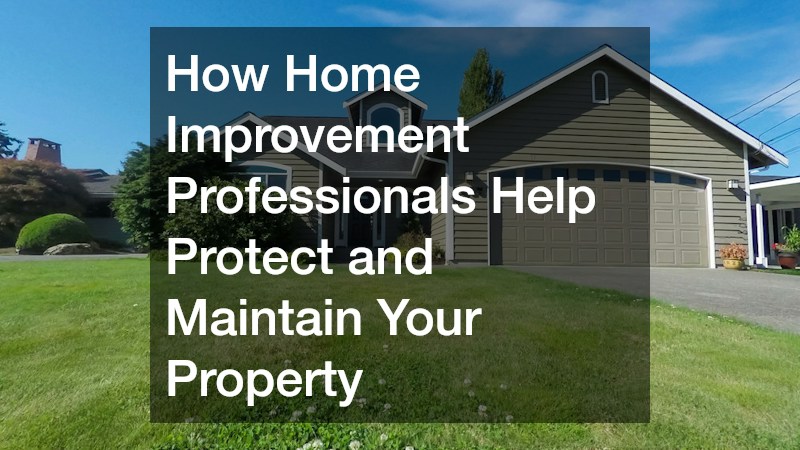
Maintaining a property requires consistent attention to its structure, essential systems, and surrounding landscape. From preventing water damage to improving energy efficiency, routine maintenance helps preserve a building’s condition and supports a comfortable environment. Small problems can become expensive repairs when they are overlooked, making regular inspections and timely improvements important for property owners.
Professional home improvement services provide specialized knowledge and equipment to address different maintenance needs. Whether a project involves repairing exterior damage, upgrading windows, improving drainage, or enhancing outdoor spaces, experienced contractors can help property owners make informed decisions.
Understanding which improvements deserve attention can also make maintenance more manageable. By addressing potential problems early and investing in appropriate upgrades, property owners can protect their buildings, improve functionality, and maintain their property’s appearance over time.
1. Maintaining Effective Drainage Systems

Proper drainage helps protect a building from moisture-related damage. When rainwater cannot move away from the structure efficiently, it may collect near the foundation, damage landscaping, or eventually enter lower levels of the property.
Gutters are essential because they collect rainwater from the roof and direct it toward designated drainage areas. However, debris can accumulate inside these systems, preventing water from flowing properly. Leaves, dirt, and small branches may cause blockages that lead to overflowing gutters and water exposure along exterior walls.
Working with local gutter companies can help property owners maintain their drainage systems and identify problems before they become more serious. Professionals can inspect gutter connections, evaluate downspout placement, and recommend repairs when components are damaged.
Important maintenance practices include:
-
Cleaning gutters regularly to remove accumulated debris.
-
Checking downspouts to ensure water flows away from the foundation.
-
Inspecting brackets and fasteners for loose or damaged connections.
-
Looking for leaks around seams and joints.
-
Evaluating areas where water consistently collects after rainfall.
Property owners should also pay attention to the condition of the ground surrounding their buildings. Poor grading can cause water to flow toward foundations instead of away from them.
Addressing drainage concerns early can help protect exterior materials, landscaping, foundations, and other important structural components.
2. Organizing Renovation Projects and Waste Removal
Renovations often produce significant amounts of debris, particularly when projects involve removing old materials, replacing flooring, remodeling rooms, or updating exterior features. Without an organized disposal plan, waste can accumulate and interfere with construction activities.
Keeping a worksite clean improves accessibility and helps reduce potential hazards. It also allows contractors to move between project stages without constantly working around discarded materials.
For larger renovations, 20-yard roll-off rentals can provide a convenient disposal solution. These containers offer space for collecting construction debris, depending on the provider’s accepted materials and disposal guidelines.
Before arranging a rental, property owners should consider several factors:
-
Project scope: Estimate the amount of waste the renovation will generate.
-
Container placement: Choose an accessible location that does not block entrances or driveways.
-
Material restrictions: Confirm which materials are accepted by the disposal provider.
-
Rental scheduling: Coordinate delivery and pickup with the project timeline.
-
Site protection: Consider whether the container’s weight could affect the driveway or surrounding surfaces.
Waste management becomes particularly important when several contractors are working on the same property. A designated disposal area helps prevent materials from spreading throughout the worksite.
Property owners should also understand that certain materials may require separate disposal arrangements. Chemicals, paint, and other regulated products should never automatically be placed in general construction containers.
Planning waste removal before construction begins helps maintain a more organized project and reduces unnecessary interruptions.
3. Managing Sunlight and Indoor Temperatures

Natural light can make interior spaces more inviting, but excessive sunlight may create challenges. Direct exposure can increase indoor temperatures, produce uncomfortable glare, and contribute to fading furniture, flooring, and decorative materials.
Windows influence how much sunlight and heat enter a building. Depending on their orientation and construction, certain rooms may experience considerably more exposure than others.
Installing window film can help property owners manage these conditions without completely blocking natural light. Different products offer benefits such as reducing glare, limiting solar heat gain, and filtering ultraviolet radiation.
Common options include:
-
Solar control film: Helps reduce unwanted heat and glare.
-
UV-blocking film: Limits ultraviolet exposure that can contribute to fading.
-
Decorative film: Adds privacy or changes the appearance of glass.
-
Safety film: Helps hold broken glass together when damage occurs, depending on the product.
Choosing the appropriate material requires considering the property’s windows, exposure, and intended use. Some products are designed primarily for residential comfort, while others are better suited for commercial buildings.
Professional installation helps ensure the material is applied evenly and is compatible with the existing glass. Property owners should also review manufacturer recommendations and warranty information before making a selection.
4. Preventing Plumbing Problems and Water Damage
Plumbing systems support essential activities throughout a property, including cooking, cleaning, bathing, and sanitation. Because these systems operate regularly, even minor issues can become disruptive when they are ignored.
A small leak beneath a sink may appear harmless initially. However, continued moisture exposure can damage cabinets, flooring, drywall, and nearby materials. Hidden leaks can be particularly problematic because they may remain undetected until visible damage develops.
Professional plumbers can inspect water supply lines, drainage systems, fixtures, and other components to identify potential concerns. Their training allows them to diagnose problems and recommend appropriate repairs.
Property owners should watch for warning signs such as:
-
Unexplained increases in water bills.
-
Low or inconsistent water pressure.
-
Frequently clogged or slow-draining fixtures.
-
Unusual banging or rattling sounds in pipes.
-
Water stains on ceilings, walls, or cabinets.
Routine inspections can also help evaluate aging pipes, water heaters, shutoff valves, and other important equipment.
It is especially important to address recurring plumbing problems rather than relying on temporary solutions. A recurring leak or blockage may indicate a larger issue that requires professional attention.
Before leaving a property vacant for an extended period, owners should also consider checking visible plumbing connections and addressing existing leaks.
Consistent maintenance helps protect interior materials and reduces the likelihood of unexpected water damage.
5. Maintaining Reliable Cooling Equipment
Indoor temperature control is important for maintaining comfortable living and working environments. Cooling equipment can experience considerable demand during warmer months, making proper installation and maintenance essential.
An incorrectly sized or improperly installed system may struggle to maintain consistent temperatures. It can also experience unnecessary strain, potentially contributing to premature equipment wear.
Professional AC installation involves evaluating several factors before selecting and installing equipment. Contractors consider building size, insulation, room configuration, ductwork, ventilation, and cooling requirements.
A typical installation process may include:
-
Evaluating the property’s layout and existing equipment.
-
Determining the appropriate system capacity.
-
Inspecting ductwork for leaks or airflow restrictions.
-
Checking electrical connections and installation requirements.
-
Testing the equipment after installation.
Once the system is operating, regular maintenance helps support continued performance. Property owners should replace or clean filters according to manufacturer recommendations and keep outdoor equipment clear of debris.
Unusual sounds, inconsistent temperatures, and unexpected changes in energy consumption may indicate that the equipment needs professional attention.
Proper installation and maintenance can help reduce avoidable problems while supporting a more comfortable indoor environment.
6. Strengthening Windows Against Severe Weather

Windows contribute to a building’s appearance, natural lighting, and ventilation. However, they are also potential points of vulnerability during severe weather.
Strong winds can carry branches and other debris toward exterior openings. If windows break or their surrounding assemblies fail, wind and rain may enter the building and cause additional damage.
An impact window is designed with specialized glass and construction features intended to withstand certain impact conditions. These products are commonly installed in areas where hurricanes and severe storms are concerns.
When considering window upgrades, property owners should evaluate:
-
Impact ratings: Confirm that products meet applicable testing requirements.
-
Frame construction: Consider the durability and structural characteristics of the frames.
-
Glass configuration: Understand the materials used and their intended protective performance.
-
Installation requirements: Ensure products are installed according to manufacturer specifications and local codes.
-
Warranty coverage: Review available protections for materials and workmanship.
Replacing older windows can also provide an opportunity to address deteriorating frames, drafts, and other issues affecting the building envelope.
However, impact-resistant windows should be considered one part of a larger storm-preparation strategy. Roofing, exterior doors, drainage, and surrounding landscaping also deserve attention.
Working with qualified professionals helps property owners select appropriate products and ensure that installation requirements are followed.
7. Preparing Exterior Openings for Hurricane Season
Storm preparation involves more than protecting the roof and securing outdoor furniture. Windows and other exterior openings should also be evaluated to determine whether they can withstand the conditions expected in the property’s region.
Hurricane window installation requires careful planning to ensure replacement products meet applicable building codes and performance requirements.
Contractors must evaluate window dimensions, frame materials, attachment methods, and the condition of the surrounding openings. Depending on the project, installation may involve removing existing windows, preparing the openings, securing replacement assemblies, and completing necessary sealing work.
Before scheduling an upgrade, property owners should consider:
-
Local building codes: Requirements may vary according to location and storm exposure.
-
Product certifications: Verify that selected windows meet applicable performance standards.
-
Existing conditions: Damaged frames or surrounding materials may require repairs.
-
Installation procedures: Confirm that contractors follow approved fastening and sealing methods.
-
Project documentation: Keep permits, warranties, and product information when applicable.
It is also important to understand the difference between impact-resistant windows and protective coverings. These products serve different purposes and may offer different levels of protection.
Planning improvements before storm season provides more time to compare products and coordinate contractors. Waiting until severe weather approaches may limit scheduling opportunities.
8. Protecting Roofing Materials and Preventing Leaks
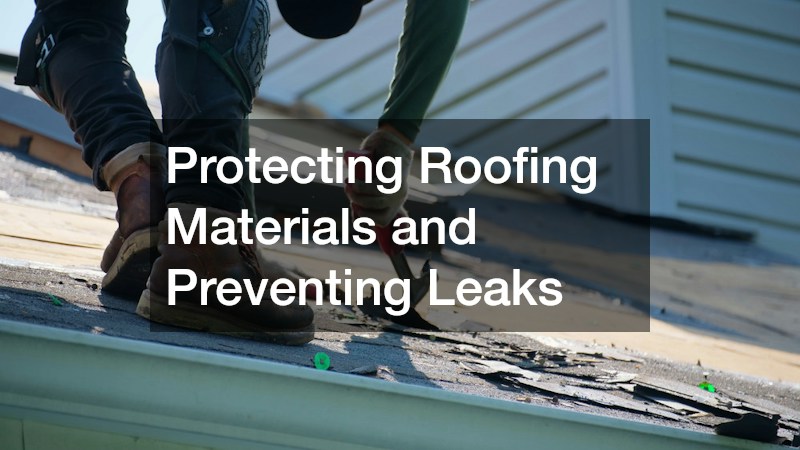
The roof protects a building from rain, wind, sunlight, and other environmental conditions. Because it is constantly exposed to the elements, roofing materials can gradually deteriorate and develop problems that require attention.
Even relatively small areas of damage can allow moisture to enter the structure. Missing shingles, deteriorating flashing, and damaged seals may create openings where water can reach attic spaces and interior ceilings.
Scheduling timely roof repair can help address these concerns before they develop into more extensive damage. Professional contractors can inspect affected areas, identify potential sources of leaks, and recommend appropriate solutions.
Common roofing concerns include:
-
Missing, cracked, or damaged shingles.
-
Deteriorating flashing around chimneys and vents.
-
Water stains on interior ceilings.
-
Damaged roof edges and drainage components.
-
Poor attic ventilation that contributes to moisture accumulation.
Property owners should arrange inspections after significant storms, particularly when high winds or falling branches may have affected the roof.
It is also important to recognize that not every roofing problem is immediately visible. Water can travel along structural components before appearing as a ceiling stain. By that point, insulation and other materials may already be affected.
9. Creating Durable and Functional Outdoor Spaces
Outdoor spaces contribute to a property’s appearance and everyday functionality. Driveways, patios, and walkways provide convenient access while creating areas for recreation and relaxation.
However, these surfaces experience constant exposure to weather, foot traffic, and soil movement. Over time, paving materials can shift, joints can deteriorate, and uneven areas may develop.
Working with a professional paver company can help property owners plan outdoor improvements that balance appearance, durability, and practical use.
Successful paving projects begin with appropriate site preparation. Contractors evaluate the existing ground, prepare a stable base, and select materials suited to the intended application.
Important considerations include:
-
Material selection: Choose paving products appropriate for the environment and intended use.
-
Base preparation: Establish a stable foundation to support the finished surface.
-
Drainage: Prevent water from collecting beneath or around paved areas.
-
Joint maintenance: Keep joints properly maintained to limit unwanted movement.
-
Surface inspections: Watch for settling, loose materials, and other signs of deterioration.
Property owners should also consider how new surfaces connect with existing structures. Walkways should provide convenient access, while patios should accommodate furniture and regular outdoor activities.
Proper planning can create more usable outdoor areas while reducing maintenance concerns.
10. Defining Landscape Areas and Improving Curb Appeal
Landscaping contributes to the overall appearance of a property, but maintaining separate outdoor features can become difficult without clearly defined boundaries. Grass may spread into garden beds, loose materials can move onto walkways, and planting areas may gradually lose their original shape.
Installing concrete edging provides a durable way to separate different landscape features. These borders can define garden beds, frame walkways, and create cleaner transitions between lawns and paved areas.
Concrete borders can serve several purposes:
-
Separating grass from planting beds.
-
Defining the edges of walkways and driveways.
-
Framing trees and decorative landscape features.
-
Creating consistent boundaries around outdoor spaces.
-
Helping keep loose landscaping materials contained.
The installation process should account for soil conditions, drainage, and the intended design. Contractors may need to prepare the ground, establish the border dimensions, and create a stable foundation before placing the concrete.
Although concrete edging is durable, periodic inspections remain important. Property owners should look for cracks, shifting, and damage caused by nearby roots or soil movement.
Drainage should also be considered during planning. Poorly positioned borders may redirect runoff toward buildings or create areas where water collects.
Well-designed landscape boundaries can make outdoor maintenance easier while giving the property a more organized appearance.
Ultimately, successful property maintenance is an ongoing investment. By addressing necessary improvements and keeping essential systems in good condition, property owners can maintain attractive, dependable spaces that continue to serve their needs over time.