Dealing with ant infestations can be a frustrating experience for homeowners. Many find themselves in a cycle of eliminating ants, only to have them return shortly after. Understanding the effective strategies employed by professional exterminators is pivotal to achieving a lasting solution. These experts utilize an array of techniques designed not only to eliminate ants but also to prevent their return. This article delves into the various methods and strategies used by ant exterminators to ensure that homes remain ant-free.
What Techniques Do Exterminators Use Initially?
The first phase of any extermination process involves a thorough assessment to gauge the extent of the ant problem. Exterminators employ a combination of surveillance and inspection to locate ant trails and nests.
They may use baiting systems that attract worker ants, which then carry poisoned food back to the colony. This method ensures that not only the visible ants are killed but also those inside the nest, including the queen. Additionally, chemical barriers are often applied to entry points to deter further ant infiltration.
Getting immediate results is crucial, but professional exterminators are also concerned about sustainability. The initial techniques are therefore designed to address both current and future issues by targeting the colony’s reproduction cycle. In some cases, specialized insecticides are applied that disrupt the biological processes essential for ant survival. These treatments are carefully selected to protect non-target organisms and minimize environmental impact. Exterminators must adhere to safety guidelines to ensure that their methods do not pose a risk to household members or pets.
Integrated Pest Management (IPM) is a strategic approach often utilized by exterminators. It involves the use of multiple tactics to control pests in the most economical and environmentally friendly manner. Through a combination of chemical, mechanical, and biological controls, IPM provides a comprehensive solution to ant problems. Continuous monitoring and adjustments are necessary components of this approach, ensuring that the infestation is managed effectively over time. Exterminators may suggest modifications in home maintenance practices to complement their initial treatment strategies.
How Do Exterminators Identify the Root Cause?
Identifying the root cause of an ant infestation is crucial in formulating an effective extermination plan. Exterminators begin by examining the property’s interior and exterior for potential ant attractants. This includes identifying sources of food, water, and shelter that ants may find appealing. Understanding the species of ant involved is also essential, as each type has unique behaviors and habitat preferences. Comprehensive knowledge about the ants’ biology and lifestyle enables exterminators to target the problem at its source.
Once potential causes are identified, exterminators proceed with targeted interventions. They seal cracks and openings that serve as entry points, removing access to food and water sources. In some cases, landscaping modifications may be recommended to eliminate areas where ants commonly nest. By addressing these issues, exterminators aim to create an inhospitable environment for ants, making re-entry less likely. Collaborative efforts with homeowners are often necessary to ensure that all contributing factors are adequately managed.
Exterminators utilize advanced technologies, like thermal imaging and moisture meters, to detect ant colonies hidden within walls and other structures. These tools enable them to pinpoint the precise location of nests, facilitating targeted treatments. Frequent follow-up visits are an essential aspect of this diagnostic process, allowing exterminators to monitor changes and adjust their strategies as needed. By maintaining open communication with clients, they make certain that all measures are in place to prevent a resurgence of the infestation. Ultimately, thorough investigation and accurate diagnosis are foundational to preventing the reappearance of ants.
What Proactive Measures Can Be Taken To Prevent Reinfestation?
Prevention is a critical component of pest management, and informed professional exterminators prioritize it. One of the foremost recommendations is maintaining cleanliness to reduce attraction factors for ants. Regular cleaning, including wiping down surfaces and sweeping floors, removes food particles that could lure ants. Proper food storage in airtight containers also limits access to potential food sources. Additionally, addressing leaks and ensuring proper drainage eliminates moisture, which is key in deterring ants.
Outdoor maintenance plays an equally vital role in preventing ant infestations. Trimming trees and shrubs away from the house can help eliminate bridges for ants to access indoor spaces. Yard debris should be cleaned regularly, and mulch, which ants are attracted to, should be kept away from foundational walls. Ensuring that gutters and downspouts direct water away from structures helps eliminate moist environments where ants thrive. Implementing these preventive measures can drastically reduce the likelihood of ants reinvading a home.
Exterminators often recommend structural modifications to reinforce barriers against ants. Using weather seals on doors and windows, as well as caulking around baseboards and pipes, can close off entrance routes. Regular inspections for structural damage help uncover potential ant pathways that might need repairs. Education is another crucial element, as informed homeowners are better equipped to recognize early signs of an infestation. By cultivating awareness and proactive habits, homeowners contribute significantly to the prevention of ant problems.
How Often Should Treatment Be Reapplied?
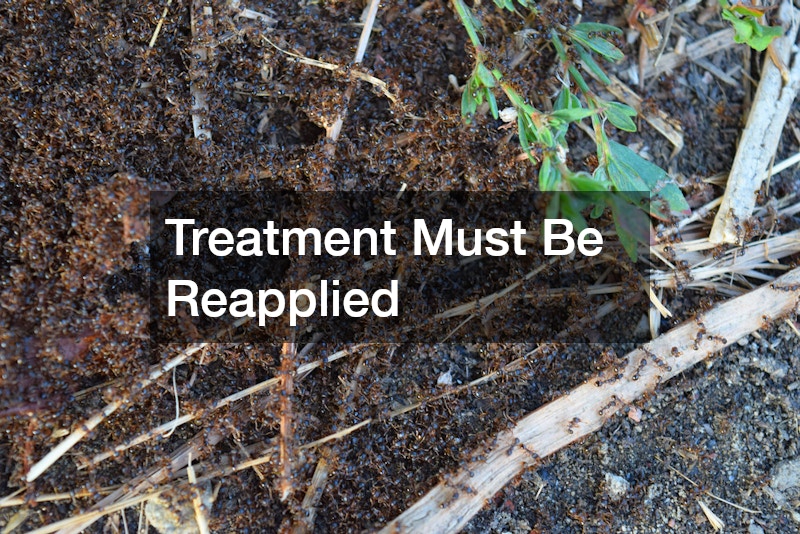
Ant infestations are a dynamic issue, and ongoing treatment may be necessary to maintain control. The frequency of reapplication varies depending on several factors, including the severity of the infestation and environmental considerations. Exterminators generally recommend periodic treatments as part of a comprehensive pest management plan. These treatments can be scheduled seasonally or at intervals determined by the specific circumstances of the property. Regular maintenance not only keeps ants at bay but also allows exterminators to identify and address new infestations swiftly.
Specific environmental conditions can influence how often treatment needs to be reapplied. Humid regions or properties near water sources may require more frequent intervention due to the favorable conditions they present for ants. Moreover, properties with frequent human or pet activity might increase the likelihood of ants hitching a ride into homes, necessitating additional treatments. Exterminators tailor their reapplication schedules to address these unique conditions effectively. A customized plan ensures that treatment remains pertinent and protective over time.
Consultation with a trusted exterminator is essential in determining the most appropriate treatment schedule. They draw from experience and scientific knowledge to recommend the best course of action for each individual case. Collaboration between the exterminator and homeowner ensures that treatments are timed to maximize efficacy and sustainability. By adhering to a recommended treatment schedule, homeowners can significantly reduce the risk of future ant infestations. Ongoing evaluation and open dialogue are key to maintaining an ant-free environment effectively.
What Should Homeowners Avoid Doing To Help the Process?
Homeowners play a crucial role in the effectiveness of pest control efforts, and certain actions can undermine these strategies. Over-the-counter pesticides might offer a tempting quick fix, but they can disrupt professional treatments. Pesticide misuse not only risks personal safety but also potentially drives ants deeper into hiding, making them harder to eliminate. It’s important to follow the advice and guidance of professional exterminators to ensure successful outcomes. Cooperation and patience can often yield more enduring results against ant problems.
Another pitfall to avoid is neglecting preventive measures that complement exterminators’ efforts. Failing to maintain a clean environment or ignoring signs of structural wear can render treatments less effective. Inconsistent adherence to recommended control measures might provide ants with the opportunity to re-establish colonies. Staying vigilant and proactive in preventive practices makes it more difficult for ants to find opportunities to reinfest. Exterminators often offer valuable tips that, when followed, enhance the overall effectiveness of pest control strategies.
Lastly, homeowners should avoid delaying professional intervention when signs of ant activity are noticed. Ant problems can escalate quickly, and early engagement with an exterminator can prevent more severe infestations. Waiting too long can result in more extensive damage and increased costs associated with addressing a widespread issue. Building a trusting relationship with a reliable pest control service offers long-term benefits in managing ant infestations. Prompt action and ongoing collaboration can make all the difference in achieving and maintaining a pest-free home.
Professional exterminators employ a myriad of strategies to ensure that ants do not return to infest homes. From initial treatment techniques to identifying root causes and implementing preventive measures, a comprehensive approach is essential. Collaboration with homeowners enhances the success of these strategies, creating an environment hostile to future invasions. Regular maintenance and adherence to recommended practices are vital in ensuring a lasting resolution to ant problems. With a proactive mindset and expert guidance, homeowners can effectively safeguard their properties from the nuisance of recurring ant infestations.