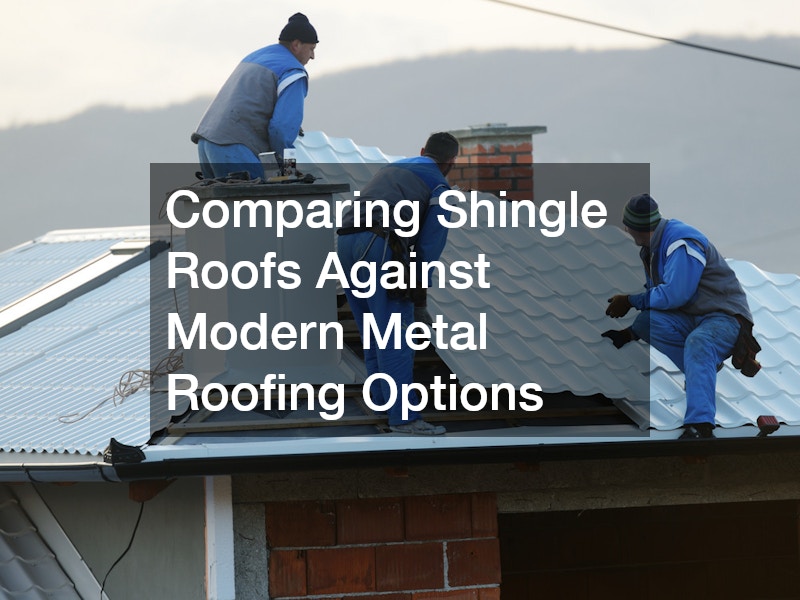
Deciding on a new roof is a crucial choice for homeowners, impacting both finances and the home’s safety and appearance for years. As roofs age, the stress of making the right decision can be overwhelming, as you’re investing in a protective shield for your family and home.
While asphalt shingles have long been the standard due to their cost-effectiveness and accessibility, modern metal roofing has gained popularity lately. Once mainly for commercial use, metal roofs are now a viable residential option thanks to innovations in design and durability.
This guide provides an unbiased comparison of these two roofing systems, looking at costs, lifespans, weather resistance, maintenance, aesthetics, and efficiency to help you choose what’s best for your home.
Upfront Costs vs. Long-Term Lifecycles: Setting a Realistic Budget
How to Calculate Your “Cost-Per-Year” Ownership
When planning a major home renovation, the initial price tag is often the very first hurdle. For most homeowners, choosing a traditional shingle roof represents the most budget-friendly entry point. Asphalt shingles are mass-produced and relatively simple to install, which keeps both the material costs and the labor expenses manageable for the average household.
Modern metal roofing systems, on the other hand, require a much more significant initial investment. On average, a metal system can cost two to three times more than standard shingles. This is due to the higher cost of premium raw materials—such as high-grade steel, aluminum, or copper—and the specialized labor required to install panels or tiles precisely.
To understand the true economic impact, however, you must look past the upfront price and calculate the lifetime value of your investment. This calculation depends heavily on the expected lifespan of each material:
- Asphalt Shingles: Typically last 15 to 25 years before requiring a full roofing replacement. In areas with high humidity or intense sun exposure, this lifespan can be cut even shorter.
- Metal Roofing: Easily lasts 40 to 70 years. Many premium metal systems are designed to last as long as the house itself, meaning you may never have to worry about replacing them again.
If you plan to stay in your home for thirty or forty years, choosing a lower-cost option means you will likely pay for a complete tear-off and installation twice. In contrast, a single metal installation will endure the entire period. When calculated as a “cost-per-year” of protection, metal often emerges as the more economical and stress-free choice over the long haul.
Assessing Weather Performance: Wind, Rain, and Wildfires
Choosing Materials Based on Your Regional Climate Needs
A roof is your home’s primary shield against nature’s harshest elements. The climate in your specific geographic region should play a major role in your material selection, as shingles and metal behave very differently under environmental stress. Selecting the wrong material for your local weather can lead to frequent headaches, premature degradation, and expensive insurance claims.
In high-wind zones, such as coastal areas prone to hurricanes or plains subject to severe tornadoes, wind resistance is critical. Standard asphalt shingles rely on adhesive strips that can degrade over time due to dirt, debris, and UV exposure. Once the sealant weakens, high winds can easily lift, crack, or completely blow off individual pieces, exposing the underlying deck to immediate water penetration.
Metal roofing excels in extreme wind conditions. Standing-seam panels are fastened securely to the deck with heavy-duty clips, allowing them to withstand wind speeds up to 140 miles per hour.
- Snow and Ice Shedding: Smooth metal surfaces allow snow and ice to slide off easily, preventing dangerous ice dams from forming at the eaves.
- Hail and Impact Resistance: Premium metal roofs often carry Class 4 impact ratings, meaning they resist cracking and puncturing from heavy hail far better than asphalt.
- Fire Safety: For homeowners in areas prone to wildfires, metal boasts a Class A fire rating—the highest safety rating available—because it is completely non-combustible.
While standard residential roofing can provide solid defense in mild climates, it requires active monitoring. Over time, storm damage may necessitate minor roof repair to replace torn or missing sections before leaks can develop inside your attic. In contrast, a well-installed metal roof offers peace of mind against severe weather events with far less risk of sudden structural compromise. This resilience is why many insurance companies offer premium discounts to homeowners who install metal systems in high-risk areas.
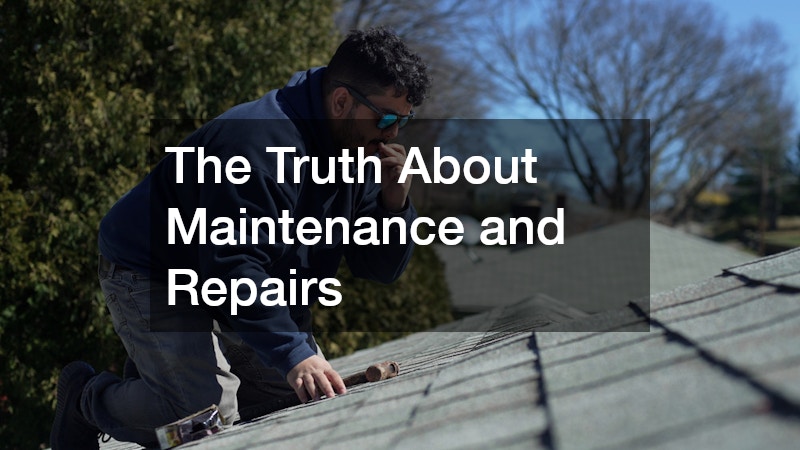
The Truth About Maintenance and Repairs
What It Takes to Keep Your Home Leak-Free
Every roofing system requires some degree of upkeep to ensure it reaches its maximum lifespan. Understanding the daily and seasonal maintenance demands of each material will help you avoid unexpected home maintenance emergencies and extend the life of your investment.
Asphalt shingles are relatively high-maintenance. Because they are organic or fiberglass-based tiles coated with mineral granules, they are highly susceptible to environmental wear. Homeowners must regularly inspect their properties for:
- Granule Loss: As shingles age, they shed their protective granules, leaving the underlying asphalt exposed to damaging ultraviolet rays.
- Algae and Mold: In humid or shaded areas, dark streaks of algae and moss can grow on shingles, holding moisture against the surface and causing premature decay of the roof deck.
- Curling and Cupping: Severe fluctuations in temperature can cause shingle edges to curl upward or cup, making them highly vulnerable to wind uplift.
Metal roofs are vastly lower-maintenance. Because the surface is smooth and non-porous, mold and algae rarely find a foothold. Maintenance for a metal system usually involves simply clearing away fallen leaves, inspecting the rubber boots around ventilation pipes, and ensuring the heavy-duty fasteners remain tight.
However, if physical damage does occur—such as from a fallen tree limb—the repair processes differ wildly. Patching a small section of shingles is a straightforward, inexpensive process that can be handled quickly by a standard roofing service. Repairing a damaged metal roof, however, is much more complex. It often requires replacing an entire metal panel from eave to ridge, which must be handled by a specialized professional to ensure the watertight seal is not compromised.
If you have an older roof that is starting to show its age but is still structurally sound, a professional roof restoration company can often apply protective coatings. This is a highly cost-effective alternative to immediate replacement for both shingle and metal systems, giving you extra years of protection.
Aesthetic Versatility and Architectural Curb Appeal
Matching Your Style with Your Neighborhood’s Aesthetic
Your roof can represent up to 40 percent of your home’s visible exterior. Consequently, its color, texture, and style have a massive impact on your property’s overall curb appeal, your pride of ownership, and your eventual resale value when it comes time to put the home on the market.
Asphalt shingles offer a classic, traditional look that blends seamlessly into almost any neighborhood. Modern architectural shingles are designed with varying thicknesses and deep shadow lines, allowing them to convincingly mimic the rich, upscale texture of natural wood shakes or slate tiles. They are available in a wide array of warm, earthy tones, from deep charcoal to classic autumn brown, making them incredibly versatile.
Modern metal roofing has shed its industrial reputation to offer incredible aesthetic variety. While the sleek, clean lines of standing-seam metal panels look beautiful on contemporary, modern, or rustic farmhouse designs, metal can also be stamped into shapes that replicate traditional tiles. Homeowners can now purchase metal tiles designed to look exactly like classic clay Mediterranean barrel tiles, rustic cedar wood shakes, or elegant Victorian slate.
When choosing between these styles, it is vital to work with a reputable roofing contractor who can help you visualize how the material will look on your specific architectural style. A professional roofing company will also be able to advise you on local homeowner association guidelines, as some historic or deed-restricted neighborhoods still restrict the use of certain metal panels to preserve a uniform look across the community.
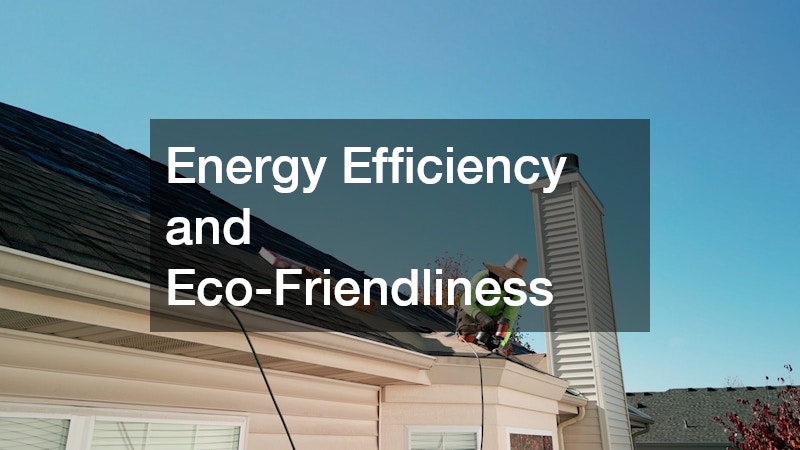
Energy Efficiency and Eco-Friendliness
Reducing Your Monthly Utility Bills and Carbon Footprint
As energy costs continue to rise and environmental awareness grows, many homeowners are prioritizing sustainability in their renovation decisions. The materials you put on your roof play a major role in both your home’s daily energy consumption and its overall environmental footprint.
Asphalt shingles are highly thermal-absorbent. Because they are dark and made of petroleum-based materials, they absorb a massive amount of solar heat during the day. This heat is transferred directly down into your attic space, forcing your air conditioning system to work much harder to keep your living spaces comfortable in the summer.
Metal roofing is widely considered the most energy-efficient option available today. Often referred to as “cool roofs,” metal panels reflect solar radiation back into the atmosphere rather than absorbing it. By applying specialized reflective coatings, metal can reduce attic temperatures significantly, slashing summer cooling costs by up to 20 to 40 percent.
From an ecological standpoint, the differences between the two materials are even more stark:
- Asphalt Shingle Waste: According to environmental studies, over 11 million tons of asphalt shingle waste end up in landfills across the United States every single year. Because they are petroleum-derived, they do not decompose easily and contribute to long-term waste issues.
- Metal Recyclability: Metal roofs are incredibly sustainable. They are typically made from 25 to 95 percent recycled materials and are 100 percent recyclable at the end of their long lifespans, meaning they will never contribute to landfill accumulation.
If you decide to make the switch to a highly efficient metal system, it is crucial to hire specialized metal roofing contractors. These professionals understand how to properly install the correct underlayment and ventilation systems to maximize the roof’s reflective properties and ensure your home remains quiet during heavy rainstorms.
For those looking to completely replace an aging, leaky, or inefficient system, consulting with top-tier reroofing companies can help you explore eco-friendly options that qualify for green energy tax credits, lowering your overall project costs while securing lifetime utility savings.
Addressing Common Metal Roofing Myths
Debunking Concerns About Noise and Structural Weight
Despite the growing popularity of metal roofs, several old myths still circulate among homeowners, causing unnecessary hesitation. Addressing these misconceptions with facts can help you make a much clearer, more confident decision for your home.
Many people worry that metal roofs are noisy during rain or hail, reminiscent of clattering on an old tin barn. However, modern metal roofs are installed over solid wood decks with quality underlayment and insulation, making them as quiet as traditional shingle roofs.
Another myth is that metal roofs are too heavy for older homes. In fact, metal is one of the lightest roofing materials, often lighter than asphalt shingles and much lighter than clay or slate. Installing a metal roof reduces structural stress on your home.
Lastly, some fear that metal roofs attract lightning. While metal conducts electricity, it does not attract it. Lightning tends to strike the tallest object nearby, regardless of material. If struck, a metal roof is safer since it’s non-combustible and won’t catch fire.
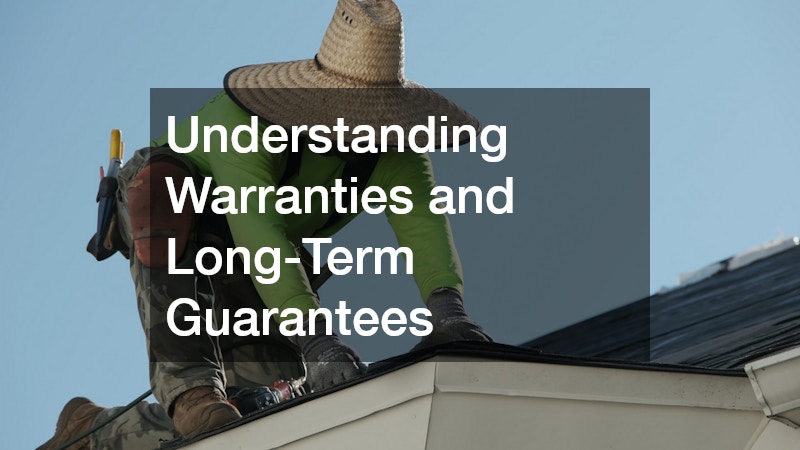
Understanding Warranties and Long-Term Guarantees
How to Protect Your Investment Against Future Defects
Before making your final choice, it is essential to understand how warranties work for both asphalt and metal systems. A warranty is your financial safety net, and the terms can vary drastically depending on the materials you select and the professionals you hire.
Asphalt shingle warranties typically come in two parts: the manufacturer’s material warranty and the contractor’s workmanship warranty. Basic shingle warranties often span 20 to 30 years, but they are frequently prorated. This means that as the roof ages, the manufacturer covers less of the replacement cost. Furthermore, these warranties often exclude damage caused by wind, hail, or improper attic ventilation, leaving homeowners to cover unexpected repair costs out of pocket.
Metal roof warranties are generally much more robust and long-lasting. Because the material is highly durable, manufacturers frequently offer non-prorated warranties extending 40 to 50 years, or even lifetime guarantees. These warranties often cover:
- Paint and Finish Integrity: Guarantees that the protective color coating will not fade, chalk, or peel for decades.
- Chipping and Cracking: Protection against physical degradation of the metal panels under normal environmental conditions.
- Wind Uplift: High-wind warranties that cover the system up to specific hurricane-force wind speeds.
When reviewing any contract, always read the fine print regarding warranty transfers. If you plan to sell your home in the future, a transferable lifetime warranty on a metal roof is an incredibly powerful selling point that can justify a higher asking price and attract serious buyers who value long-term peace of mind.
Conclusion
The choice between traditional shingles and modern metal roofing depends on your budget, long-term housing plans, and style preferences. If you plan to sell your home within the next decade or want to keep immediate costs low, high-quality asphalt shingles are a reliable and attractive option. However, if you view your home as a long-term investment and want better energy efficiency, lower maintenance, and protection from severe weather, a modern metal roofing system is a worthwhile choice. Consider the upfront costs and lifetime benefits to find a roof that protects your family and enhances your property for years to come.