Protecting Your Home Starts From the Outside
Your home’s exterior does far more than create curb appeal—it acts as the first and most important barrier against weather, moisture, pests, and temperature extremes. Over time, even the most well-built homes begin to show signs of wear, and without proper upgrades, small vulnerabilities can turn into expensive structural problems.
Long-term protection isn’t about reacting to damage after it happens. It’s about making smart, proactive improvements that strengthen your home from the outside in. From the roof above your head to the systems that regulate airflow and temperature, each component plays a role in maintaining comfort, safety, and durability.
This guide walks through the most important exterior upgrades homeowners can make to protect their investment for years to come. Each section focuses on practical, actionable steps you can take to improve your home’s resilience and efficiency.
Start With a Professional Roof Assessment
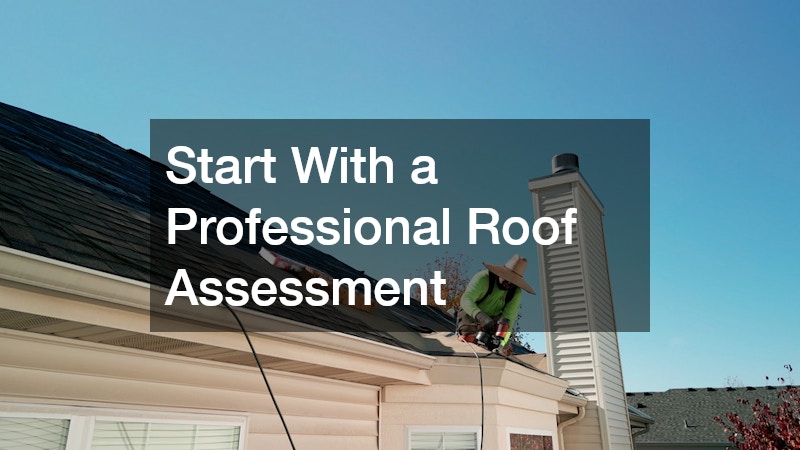
Your roof is your home’s primary shield against the elements, making it one of the most critical areas to evaluate regularly. Even minor damage can allow moisture to seep in, leading to mold, rot, and structural deterioration.
Working with a qualified roofing contractor ensures that your roof is thoroughly inspected for both visible and hidden issues. Professionals know what to look for—such as cracked shingles, worn flashing, or weak spots that could worsen over time. They can also assess ventilation and structural integrity, which are often overlooked by homeowners.
A proper evaluation of residential roofing typically includes checking for water damage in the attic, inspecting gutters and drainage points, and ensuring that all roofing materials are intact and functioning properly. This level of detail helps identify potential problems before they escalate.
Homeowners should schedule inspections at least once a year and after major storms. Even if everything appears fine from the ground, small issues can develop silently. Investing in regular assessments not only extends the life of your roof but also gives you peace of mind knowing your home is well protected.
Address Minor Roof Issues Before They Escalate
Small roofing problems rarely stay small. A loose shingle or minor leak might seem insignificant, but over time, these issues can lead to widespread water damage and costly repairs.
Recognizing early warning signs is key. Water stains on ceilings, granules collecting in gutters, or unexplained drafts can all indicate the need for roof repair. Acting quickly can prevent structural damage and reduce repair costs significantly.
Professional roofing services are designed to catch and fix these issues efficiently. Whether it’s sealing a leak, replacing damaged shingles, or reinforcing vulnerable areas, timely intervention ensures your roof continues to perform effectively.
Homeowners should also be cautious about attempting DIY fixes for anything beyond very minor issues. Without proper tools and expertise, it’s easy to overlook underlying damage. Relying on professionals ensures the job is done correctly and safely.
The takeaway is simple: the sooner you address a roofing issue, the less expensive and disruptive it will be.
Upgrade Your Gutter System for Proper Drainage
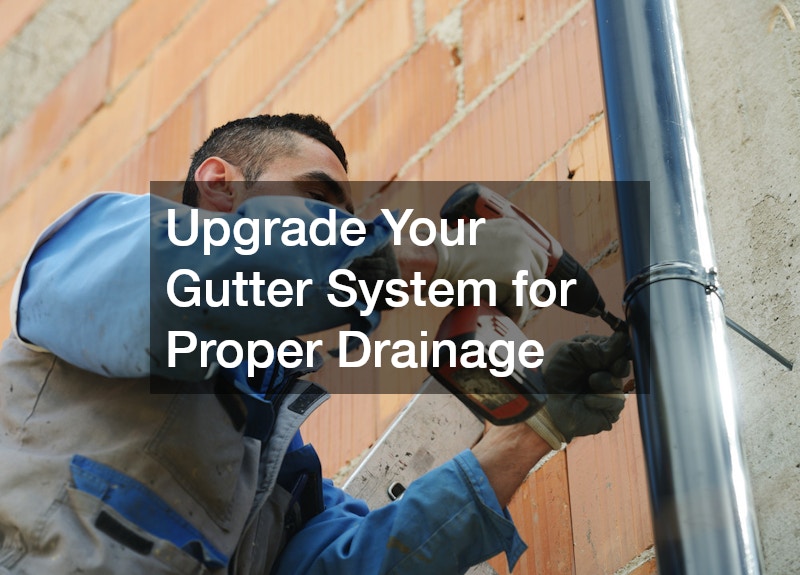
Water management is a crucial part of exterior protection, and your gutter system plays a central role. Without proper drainage, rainwater can pool around your foundation, seep into walls, and cause erosion or structural damage.
Installing seamless gutters is one of the most effective ways to improve water flow. Unlike traditional sectional gutters, these systems have fewer joints, reducing the risk of leaks and clogs. They also provide a cleaner, more streamlined appearance.
When upgrading your gutter system, consider the size and material that best suits your home. Aluminum is lightweight and resistant to rust, while copper offers durability and aesthetic appeal. Proper sizing ensures the system can handle heavy rainfall without overflowing.
Maintenance is equally important. Regularly clearing debris and checking for blockages prevents water buildup and ensures efficient operation. Adding gutter guards can further reduce maintenance needs and extend the lifespan of the system.
A well-designed gutter system protects not only your roof but also your siding, foundation, and landscaping.
Improve Energy Efficiency With Strategic Insulation
Insulation is often thought of as an interior feature, but it plays a significant role in protecting your home’s exterior systems. Proper insulation helps regulate temperature, reduce energy costs, and prevent moisture-related issues.
Professional home insulation services can identify areas where your home is losing energy, such as attics, crawl spaces, and exterior walls. These weak points allow heat to escape in winter and enter in summer, putting extra strain on your HVAC system.
Experienced insulation contractors evaluate your home’s current insulation levels and recommend upgrades based on your climate and structure. Options may include fiberglass, spray foam, or cellulose, each offering different benefits in terms of efficiency and cost.
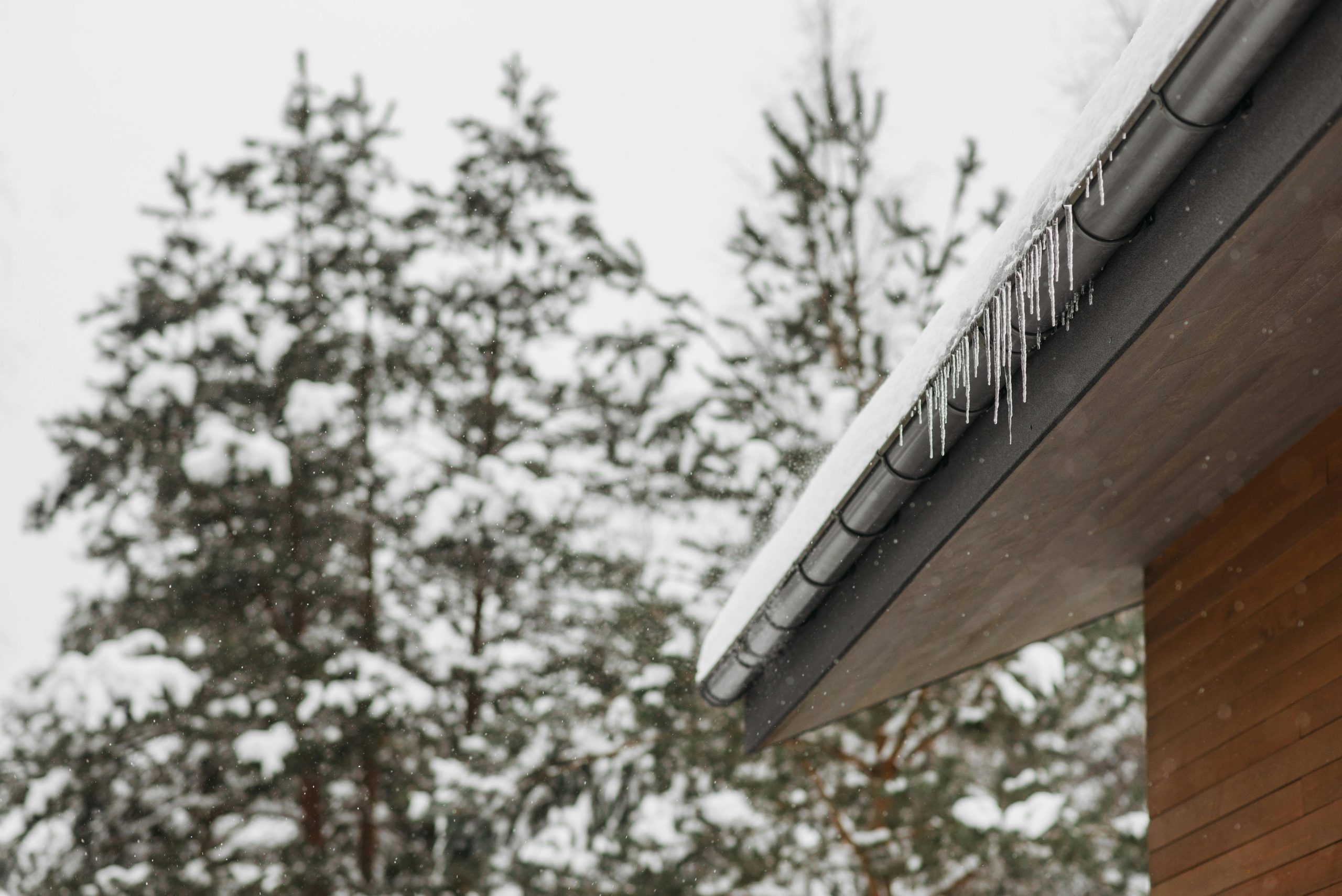
Upgrading insulation doesn’t just improve comfort—it also prevents problems like ice dams on roofs and condensation buildup inside walls. Both issues can lead to long-term damage if left unaddressed.
For homeowners looking to improve efficiency and protection simultaneously, insulation upgrades are one of the smartest investments you can make.
Strengthen Your Home’s Exterior With Durable Siding
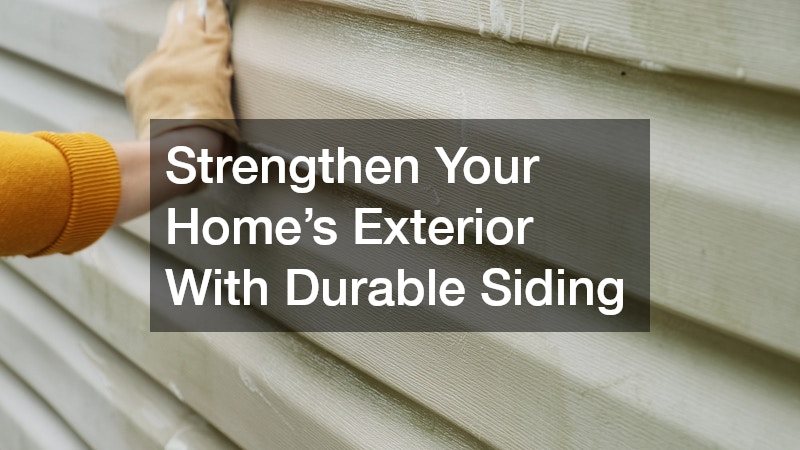
Siding serves as both a protective barrier and a visual statement for your home. It shields against moisture, wind, and pests while contributing to overall structural integrity.
Over time, siding can crack, warp, or fade, reducing its effectiveness. Signs that it may need attention include visible damage, peeling paint, or increased energy bills due to poor insulation.
Working with a siding contractor ensures proper installation and material selection. Professionals can guide you through options such as vinyl, fiber cement, or wood, each offering unique advantages in durability and maintenance.
Choosing high-quality materials and ensuring proper installation helps prevent moisture infiltration, which can lead to mold and structural damage. Additionally, modern siding options often come with improved insulation properties, enhancing energy efficiency.
Regular cleaning and inspections can extend the lifespan of your siding, keeping your home protected and looking its best.
Seal Air Leaks to Prevent Energy Loss
Air leaks may seem minor, but they can significantly impact your home’s efficiency and comfort. Gaps around windows, doors, and exterior penetrations allow conditioned air to escape and outside air to enter. Over time, this constant exchange forces your heating and cooling system to work harder than necessary, leading to higher energy bills and uneven indoor temperatures. You may notice certain rooms feel drafty in the winter or struggle to stay cool in the summer, which is often a direct result of these hidden openings.
Identifying these leaks is the first step. Common problem areas include window frames, door thresholds, and areas where utilities enter the home. Attics and basements are also frequent culprits, as they often have unnoticed gaps or poor sealing. Simple tests, such as using a candle or smoke pen, can help detect drafts by showing where air movement is occurring. On colder days, you may even feel these leaks with your hand as subtle cold spots along surfaces.
Sealing leaks with caulk or weatherstripping is a cost-effective way to improve efficiency. Applying caulk to stationary gaps and using weatherstripping around moving components like doors and windows can make an immediate difference. However, for more complex issues, consulting an HVAC contractor can provide a comprehensive solution. Professionals can assess airflow, recommend sealing strategies, and ensure your system operates efficiently by addressing both visible and hidden problem areas.
Proper sealing not only reduces energy costs but also prevents moisture infiltration and improves indoor air quality. By limiting the entry of outdoor pollutants, allergens, and humidity, you create a healthier and more comfortable living environment. It’s a small upgrade that delivers significant long-term benefits.
Upgrade and Maintain Your HVAC System for Exterior Efficiency
Your heating and cooling system doesn’t operate in isolation—it’s directly affected by your home’s exterior condition. Poor insulation, air leaks, and structural gaps can force your system to work harder, reducing its lifespan.
Regular HVAC Service is essential for maintaining efficiency and preventing breakdowns. Routine maintenance includes cleaning filters, checking refrigerant levels, and inspecting components for wear.
Seasonal tune-ups help ensure your system is prepared for temperature extremes. In addition, addressing exterior issues—such as sealing leaks and improving insulation—reduces the workload on your HVAC system.
Homeowners should also pay attention to signs of inefficiency, such as uneven temperatures, increased energy bills, or frequent cycling. These issues often indicate that the system is compensating for exterior weaknesses.
By combining regular maintenance with exterior improvements, you can extend the life of your HVAC system and maintain consistent indoor comfort.
Combine Exterior Upgrades for Maximum Protection
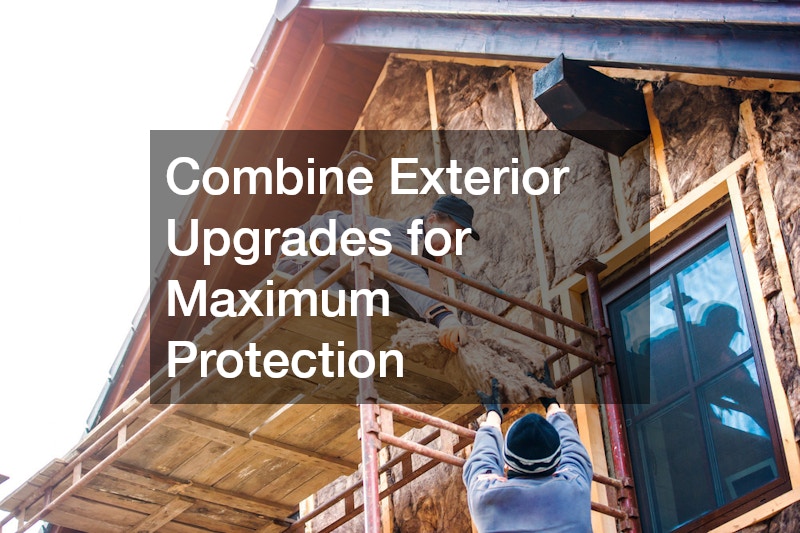
While each upgrade offers individual benefits, combining them creates a comprehensive defense system for your home. Roofing, insulation, and drainage all work together to protect against the elements, and when they are addressed together, their effectiveness is significantly amplified. Instead of functioning as separate systems, they form a unified barrier that minimizes vulnerabilities and improves overall performance.
Coordinating roofing services with insulation improvements ensures that your home is both weather-resistant and energy-efficient. For example, upgrading insulation during a roof replacement can improve ventilation and prevent moisture buildup. This also reduces the risk of issues like mold growth, ice dams, and premature material deterioration. Addressing both components at the same time allows contractors to identify hidden problem areas that may otherwise go unnoticed if handled separately.
Similarly, integrating home insulation services with other exterior projects can streamline the process and reduce overall costs. When multiple upgrades are completed simultaneously, labor expenses can be minimized, and project timelines can be shortened. This approach also reduces the need for repeated disruptions to your home, making the process more convenient for homeowners.
Planning upgrades strategically allows you to address multiple issues at once, minimizing disruption. Creating a long-term plan helps prioritize projects based on urgency and budget. Start with critical areas, such as roofing and drainage, and gradually expand to other improvements as needed.
Taking a holistic approach ensures that all components of your home work together effectively, providing maximum protection, improved durability, and long-term energy efficiency.
Choose the Right Professionals for the Job
The success of any home improvement project depends on the quality of the professionals you hire. Choosing experienced and reliable contractors ensures that work is completed correctly and safely.
When evaluating insulation contractors or a siding contractor, look for proper licensing, insurance, and positive customer reviews. These factors indicate professionalism and accountability.
Ask detailed questions about the scope of work, materials used, and timelines. A reputable contractor will provide clear answers and transparent pricing. Comparing multiple quotes can help you make an informed decision.
It’s also important to verify warranties and guarantees. Quality contractors stand behind their work and offer protection against defects or issues.
Avoid rushing the hiring process. Taking the time to choose the right professionals can save you from costly mistakes and ensure long-lasting results.
Create a Preventative Maintenance Schedule
Even the best upgrades require ongoing maintenance to remain effective. Establishing a routine schedule helps catch issues early and keeps your home in optimal condition.
Regularly inspecting seamless gutters and scheduling cleaning prevents clogs and water damage. Similarly, monitoring your roof and addressing minor roof repair needs promptly can extend its lifespan.
Seasonal checklists are a helpful tool. In spring and fall, inspect key areas such as roofing, siding, and drainage systems. Look for signs of wear, damage, or buildup that may require attention.
Keeping a record of inspections and repairs allows you to track patterns and plan future upgrades. This proactive approach reduces the likelihood of unexpected issues and helps maintain your home’s value.
Consistency is key. Small, routine efforts can prevent major problems and ensure your home remains protected year-round.
Building a Stronger, More Resilient Home
Protecting your home for the long term requires more than occasional repairs—it demands a proactive, well-planned approach to exterior maintenance and upgrades. Each improvement you make contributes to a stronger, more efficient, and more durable living space.
By focusing on key areas like roofing, drainage, insulation, and airflow, you create a comprehensive system that works together to defend against the elements. These upgrades not only prevent damage but also enhance comfort, reduce energy costs, and increase property value.
The most effective strategy is to stay ahead of potential issues. Regular inspections, timely repairs, and thoughtful improvements ensure that your home remains a safe and reliable environment for years to come.