Effective homeownership necessitates a proactive and systematic approach to maintenance, moving beyond merely addressing visible issues as they arise. Establishing a clear hierarchy of maintenance priorities is crucial, not just for preserving the aesthetic appeal of a property, but fundamentally for safeguarding the integrity of the structure and the health of its occupants. This framework should be governed by a principle of triage, focusing first on tasks that prevent catastrophic damage, ensure resident safety, and protect the home’s most significant investments. By adhering to a well-considered plan, homeowners can transition from reactive, costly emergency repairs to a predictable, budget-friendly schedule, thereby ensuring the longevity and maximizing the resale value of their asset. A thoughtful prioritization strategy provides peace of mind, confidence in the property’s condition, and a clear roadmap for allocating time and financial resources effectively throughout the year.
Assessing Immediate Safety and Structure

The primary concern for any homeowner must be the structural envelope of the building, which provides the essential shield against the elements and maintains the stability of the entire property. Damage to this core structure can quickly escalate into widespread issues, compromising insulation, fostering mold growth, and ultimately threatening the safety and habitability of the home. Consequently, any maintenance activities related to the exterior shell—the elements exposed directly to wind, sun, rain, and snow—must take precedence over interior cosmetic or comfort-related projects, as the failure of these components directly impacts every other system within the house.
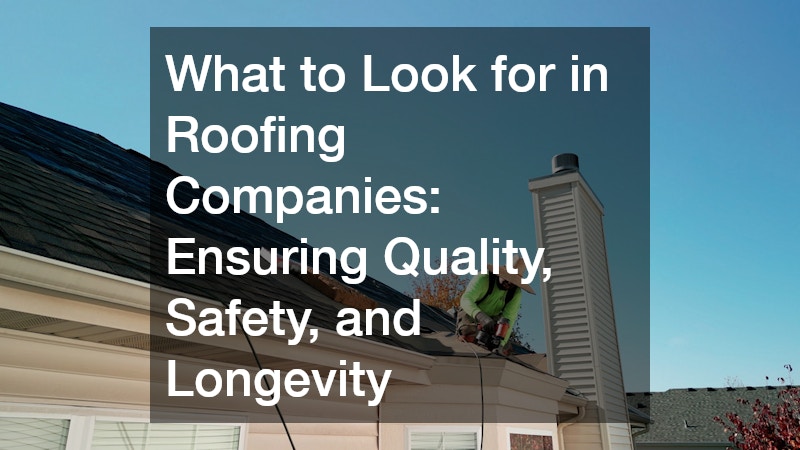
Specifically, the integrity of the roof repair must sit at the very top of this structural maintenance list, as it is the first line of defense against water intrusion. A compromised roof, whether due to missing shingles, damaged flashing, or an advanced state of deterioration, can lead to devastating attic and ceiling damage, rot in supporting beams, and the failure of wall assemblies. Regular inspections, especially after severe weather events, are vital to catch small issues like cracked tiles or worn sealant before they turn into major leaks that require extensive and expensive restoration work inside the home.
Addressing Urgent System Failures
Once the structural safety is confirmed, the next immediate priority shifts to the functional systems that are essential for modern living and maintaining comfortable, healthy indoor conditions. These systems include the critical elements that manage temperature, sanitation, and essential utilities, and their failure can quickly render a home uncomfortable, if not temporarily unlivable. Addressing defects in these systems is non-negotiable because their immediate performance directly affects the quality of life and can sometimes pose health risks, particularly for vulnerable occupants like the elderly or young children, making them a greater concern than long-term aesthetic improvements.
Seasonal inspections and timely AC repairs are particularly important, as the heating, ventilation, and air conditioning system (HVAC) is critical for managing indoor temperature and air quality throughout the year. Neglecting a struggling AC unit during the hot summer months, for instance, not only leads to sweltering indoor conditions but also forces the system to run inefficiently, wasting energy and accelerating wear and tear on expensive components like the compressor. By performing preventative maintenance and promptly addressing malfunctions, homeowners can extend the lifespan of their HVAC system, maintain optimal indoor climate control, and avoid the much higher costs associated with emergency service calls and full system replacements.
Mitigating Water Damage Risks

Water is arguably the single greatest threat to a home’s structural integrity and interior finishes, making any component designed to manage and move water a top maintenance priority. Failures in internal plumbing or drainage systems do not just cause inconvenience; they can lead to rapid and extensive damage to drywall, flooring, and electrical systems, and create environments highly conducive to destructive mold and mildew growth. Prioritizing these systems is a smart financial move, as the cost of fixing a minor leak is negligible compared to the thousands of dollars required for mold remediation and structural restoration after a catastrophic flood.
To effectively mitigate these risks, homeowners should establish a consistent schedule for inspecting all fixtures and accessible pipes, a task best handled by professional plumbing repair services. These specialists can look beyond simple leaky faucets and check for high-pressure issues, slow drains that indicate deeper clogs, and potential weaknesses in supply lines that run behind walls or beneath floors. Proactive maintenance, such as snaking drains or having water heaters flushed annually, prevents the sudden bursts and major blockages that cause the most severe water damage, ensuring the quiet and efficient functioning of the home’s crucial drainage and water delivery network.
Ensuring Water Supply Reliability
Beyond the internal distribution and drainage, the source of the home’s water supply itself warrants significant and dedicated attention, especially for properties that rely on private systems rather than municipal utilities. The immediate loss of a water source due to equipment failure is an emergency that severely impacts all aspects of home life, from drinking and cooking to sanitation and hygiene. Because private water systems involve complex mechanical and electrical components that operate constantly under various pressures, they require specialized, consistent care to prevent complete and disruptive operational failure.
Homes that are not connected to a public utility must prioritize specialized well pump maintenance services to guarantee an uninterrupted flow of potable water. This involves regularly checking the pump’s performance and pressure tank settings, testing the water quality, and inspecting the electrical components that power the deep-set equipment. Routine maintenance ensures that the pump is operating within its designed parameters, preventing overheating and premature failure, and can identify small issues with the pressure switch or submerged wiring before they lead to an expensive and urgent replacement of the entire well pump assembly.
Checking for Electrical Hazards
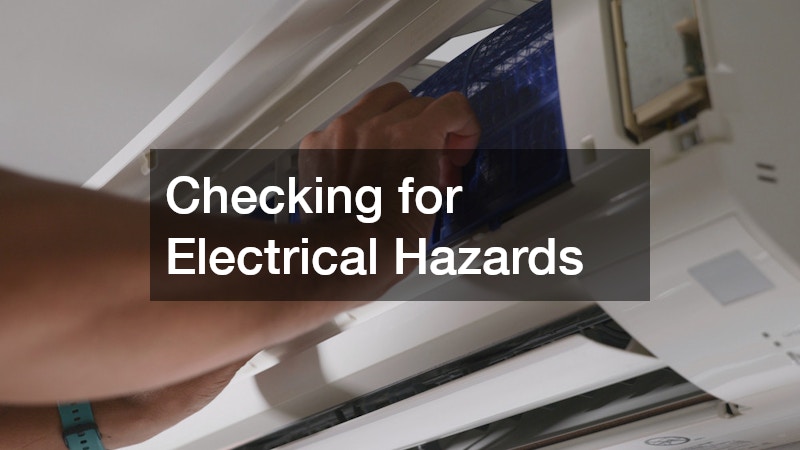
The electrical system is the nervous system of the modern home, powering everything from essential appliances and lighting to security features and climate control. However, an improperly maintained or outdated electrical system poses a significant and immediate safety risk, primarily in the form of fire hazards. Issues like frayed wiring, overloaded circuits, or faulty outlets are often hidden from plain sight, making their diagnosis and repair a priority that directly impacts the safety of the residents and the integrity of the property against accidental fires.
For peace of mind and maximum safety, homeowners should rely on local electrical companies to perform thorough inspections, particularly in older homes or after major appliance installations. Professionals can evaluate the condition of the main service panel, check for proper grounding, and ensure that circuits are not overburdened, which is a common cause of electrical fires. This type of preventative maintenance focuses on updating outdated components, replacing worn-out wiring, and installing GFCI and AFCI protection in required areas, thereby safeguarding the entire property from unforeseen and potentially deadly electrical malfunctions.
Securing Essential Climate Control
While the immediate safety of the structure and electrical systems is paramount, the efficient and reliable operation of the home’s essential climate control resources follows closely behind, especially in regions that experience harsh seasonal temperature extremes. Consistent access to affordable heating and cooling is not just about comfort; it is a critical health concern during peak winter or summer months, and any system failure can result in substantial secondary damage, such as frozen and burst pipes during a cold snap. Maintaining these systems ensures ongoing functionality and prevents unnecessary expense.
For homes reliant on specific fuels, maintaining an uninterrupted supply and ensuring the proper functioning of storage and delivery systems is an absolute necessity, focusing specifically on resources like home heating oil. This maintenance involves regular professional inspection of the storage tank for corrosion or leaks, ensuring all supply lines are free from clogs or damage, and confirming that the burner unit itself is clean and tuned for optimal efficiency. By proactively managing the fuel supply and the associated equipment, homeowners ensure they have consistent, reliable warmth throughout the coldest season, avoiding the high costs and lengthy delays associated with emergency fuel deliveries and system repairs.
Maintaining Exterior Security Access
The exterior openings of a home serve as critical points for both security and thermal performance, and their maintenance often gets overlooked until a significant operational failure occurs. The primary access points, specifically those used for vehicular and utility entry, require regular attention because they are subjected to frequent mechanical stress and outdoor exposure. Ensuring these large-scale mechanisms operate smoothly is important for daily convenience, energy retention, and the prevention of potential security breaches.
A prime example is the mechanized entry point, making regular service for the garage door repair service a necessary priority. The large size and complex spring and cable systems of garage doors mean that minor wear can quickly lead to complete operational failure, which can trap vehicles inside or leave a wide-open invitation to intruders. Routine lubrication, inspection of safety sensors, and professional adjustment of the torsion springs ensure that the door operates safely and reliably, extending the life of the motor and preventing the unexpected and inconvenient expense of emergency repairs or full door replacement.
Protecting Against Weather and Pests
The outer surfaces of a home act as the final protective barrier, safeguarding the internal structure from moisture, solar radiation, and the invasive actions of pests. Over time, these surfaces suffer continuous wear, which can lead to cracks, peeling, and openings that compromise the home’s defense system. Prioritizing the upkeep of these protective layers is a long-term investment that prevents costly structural damage that would otherwise result from unchecked decay or pest infestation behind the facade.
Regular maintenance and timely exterior painting service are essential components of this protective strategy, as high-quality paint serves as more than just a decorative element. The paint layer seals exterior materials like wood and siding, preventing moisture absorption that leads to rot, warping, and the eventual failure of the building materials underneath. A fresh coat not only significantly boosts the home’s curb appeal but, more importantly, creates an impervious surface that actively repels water and deters pests like carpenter ants or termites from gaining access to the vulnerable wood framing beneath the surface.
Maximizing Energy Efficiency
As utility costs continue to rise and environmental considerations gain importance, efforts aimed at reducing energy consumption within the home have become a maintenance priority with immediate and long-term financial benefits. Poorly sealed and inefficient components allow conditioned air to escape and unconditioned air to infiltrate, forcing HVAC systems to work harder and driving up monthly utility bills. Addressing the primary sources of energy loss should be prioritized after safety and structural concerns are handled, as these improvements offer a direct return on investment.
One of the most effective long-term investments in energy conservation centers on upgrading and maintaining the integrity of all glass openings, making the installation of efficient custom windows a key priority. Modern, high-performance windows, particularly those with low-emissivity (Low-E) coatings and multiple panes, drastically reduce heat transfer compared to older, single-pane units, keeping the home cooler in the summer and warmer in the winter. While the initial expense of window replacement is significant, the subsequent reduction in heating and cooling expenses, combined with enhanced comfort and noise reduction, justifies the investment and substantially increases the home’s overall value.
Sustaining Curb Appeal and Value
While structural integrity and system functionality are fundamental, the ongoing maintenance of the property’s exterior presentation is essential for protecting its monetary value and projecting a positive image. The immediate area surrounding the house—the yard and landscaping—is the first thing visitors and potential buyers see, making it a crucial element in determining the overall perceived quality and care of the home. Neglecting the grounds can quickly detract from the hard work invested in the interior and structural elements.
Consistent investment in lawn maintenance service ensures that the outdoor space remains a valuable asset rather than a liability, directly impacting the home’s curb appeal. Professional lawn care goes beyond simple cutting; it includes essential activities like aeration, fertilization, weed control, and pest management that promote healthy growth and vibrant aesthetics. By outsourcing or dedicating time to these tasks, homeowners sustain a well-kept appearance that complements the home’s structure, prevents invasive plant species from causing damage near the foundation, and maintains the neighborhood standards that contribute to strong property valuations.
The journey of home maintenance is a continuous cycle, but by structuring priorities logically, homeowners can transform a daunting task into a manageable and rewarding endeavor. The most prudent approach involves a triage system that places immediate safety, structural integrity, and core system functionality—like the roof, plumbing, and electrical—at the absolute top of the list. Following these critical repairs, attention should pivot to systems that impact daily living comfort and operational efficiency, such as HVAC and insulation, and finally, to those aesthetic and environmental elements that maintain market value, like exterior finishes and landscaping. By consistently applying this tiered approach, utilizing specialized services where necessary, and budgeting proactively for large expenses, a homeowner can avoid expensive emergencies, extend the functional life of all components, and ultimately ensure the enduring health and value of their most important asset.