
Homeownership brings a sense of pride and stability, but it also carries significant responsibility. Behind every comfortable living space is a network of interconnected systems working quietly in the background. Electrical wiring powers daily life, roofing protects against the elements, plumbing delivers clean water, and insulation maintains consistent temperatures. When these systems function properly, they are easy to overlook. However, when one fails unexpectedly, the inconvenience and financial strain can escalate quickly. Avoiding surprises requires proactive inspection, preventative maintenance, and thoughtful planning long before visible problems arise.
Many homeowners focus on cosmetic improvements while delaying system evaluations. Fresh paint and updated fixtures may enhance appearance, but underlying infrastructure issues can undermine those investments. Water intrusion, electrical overloads, or insulation gaps can quietly develop over time, creating larger repair needs if ignored. A comprehensive understanding of major systems allows homeowners to anticipate maintenance needs and make informed decisions. This approach not only preserves property value but also protects the safety and comfort of everyone inside.
This guide walks through ten essential components of a home’s infrastructure. Each section explores a specific system, highlighting warning signs, maintenance strategies, and long-term considerations. By addressing these critical areas methodically, homeowners can reduce unexpected repairs and build confidence in the reliability of their property.
Protecting Outdoor Living Spaces and Enclosures
Outdoor enclosures extend usable living space and provide shelter from insects, weather, and debris. When working with a screen room company, homeowners should evaluate structural framing, anchoring systems, and material durability. Proper installation ensures that enclosures withstand seasonal wind loads and temperature fluctuations. Loose fasteners or weakened frames can compromise structural stability over time, particularly in regions with heavy storms.
Routine inspection of mesh panels and support posts prevents small tears or corrosion from spreading. Homeowners should also assess drainage patterns around enclosed areas to prevent moisture accumulation at the base. Standing water can accelerate deterioration and invite pest intrusion. Addressing minor wear early preserves long-term integrity.
Preventative maintenance extends beyond visual checks. Cleaning panels, tightening connections, and resealing joints support durability. Well-maintained enclosures provide consistent comfort and protect furniture and flooring from environmental damage.
Maintaining Interior and Exterior Surface Protection
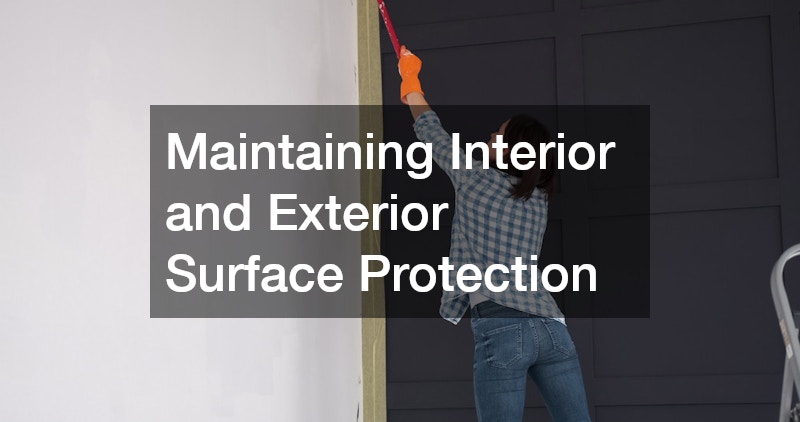
Surface finishes serve both aesthetic and protective functions. Professional painting services help preserve siding, trim, and interior walls from moisture intrusion and wear. Cracking, peeling, or bubbling paint may indicate underlying issues such as humidity imbalance or surface deterioration. Addressing these early prevents deeper structural damage.
Exterior coatings act as barriers against ultraviolet exposure and precipitation. Regular repainting cycles protect siding materials and extend their lifespan. Homeowners should also inspect caulking around windows and doors to maintain a tight seal.
Interior surfaces benefit from consistent humidity control and proper ventilation. High-moisture areas such as bathrooms and kitchens require durable finishes to resist mold and staining. A strategic maintenance schedule ensures that protective coatings remain intact.
Ensuring Electrical Safety and Capacity
Electrical systems support nearly every aspect of modern living. Consulting a licensed electrician for periodic inspections ensures that wiring, breakers, and outlets remain compliant with safety standards. Aging panels or overloaded circuits increase fire risk and may not support expanding technology demands.
Homeowners should monitor signs such as flickering lights, warm outlets, or tripped breakers. These symptoms often signal deeper wiring concerns. Upgrading panels or adding dedicated circuits may become necessary during renovations. Preventative inspections identify code violations and outdated components. Clear documentation of upgrades supports insurance compliance and long-term safety.
Evaluating Roof Structure and Weather Resistance
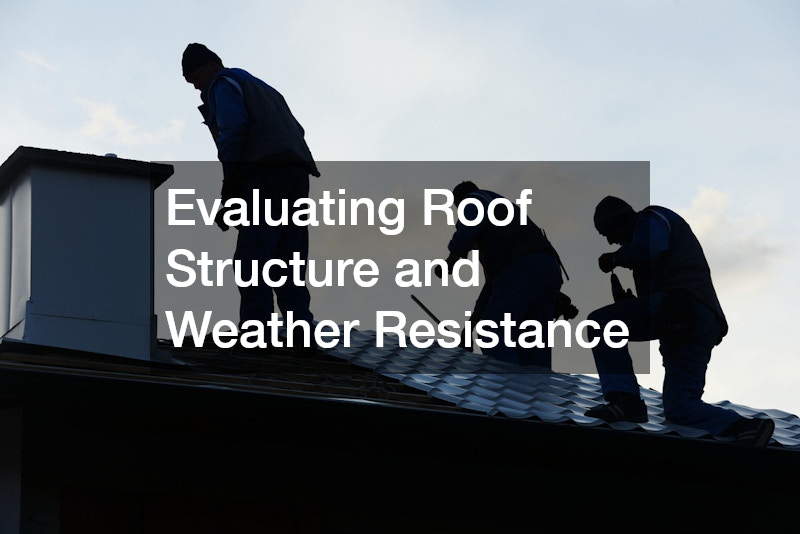
The roof serves as the home’s first line of defense. Regular assessment of residential roofing materials prevents leaks and structural deterioration. Missing shingles, cracked flashing, or sagging sections indicate potential vulnerability.
Attic inspections complement exterior evaluations. Moisture stains, insulation compression, or ventilation issues may reflect roof compromise. Addressing small leaks quickly prevents mold growth and wood rot. Documenting roof age and maintenance history supports long-term planning. Scheduled inspections extend lifespan and reduce unexpected repair expenses.
In addition to surface-level inspections, homeowners should develop a long-term roofing maintenance strategy that aligns with regional climate conditions. Areas prone to high winds, heavy snowfall, or extreme heat may require more frequent inspections and reinforcement measures. Scheduling professional assessments annually allows small vulnerabilities to be corrected before they evolve into structural damage. Homeowners should also evaluate flashing around chimneys, skylights, and vent stacks, as these areas are common entry points for moisture. Clearing debris from valleys and roof edges prevents water from pooling and accelerating material wear. It is equally important to review attic ventilation systems to ensure balanced airflow, which protects both roofing materials and insulation layers. Maintaining documentation of inspection dates, minor repairs, and material warranties supports informed decision-making when eventual replacement becomes necessary. By taking a structured, preventative approach to roof oversight, homeowners strengthen one of the most critical barriers protecting the entire property from environmental exposure.
Preserving Driveway Integrity and Drainage
Driveways experience constant weight and environmental stress. Working with experienced driveway contractors ensures proper grading and surface durability. Cracks or uneven sections may signal foundational movement or drainage issues. Routine sealing protects against water penetration and freeze-thaw damage. Homeowners should monitor pooling water, which accelerates deterioration. Timely maintenance prevents costly full replacements. Structured evaluation supports longevity and curb appeal.
Beyond surface cracks and visible wear, homeowners should also examine the underlying base that supports the driveway structure. Subgrade instability often contributes to premature cracking or uneven settling, particularly in areas with fluctuating soil moisture levels. Conducting periodic inspections after seasonal changes helps identify early signs of shifting or erosion. Drainage channels adjacent to the driveway should be cleared to prevent water from undermining the base material. Applying sealant on a scheduled cycle extends lifespan and reinforces surface resilience against ultraviolet exposure. Homeowners should also confirm that expansion joints remain intact to accommodate temperature-related movement. Addressing small imperfections promptly prevents the need for full resurfacing later. A structured driveway maintenance routine preserves curb appeal and protects against safety hazards such as tripping or vehicle suspension damage. Thoughtful oversight reduces long-term expenses and supports overall property stability.
Strengthening Thermal Efficiency and Insulation

Insulation regulates temperature and reduces energy consumption. Hiring qualified spray foam insulation services allows homeowners to identify air gaps and thermal bridging. Poor insulation increases heating and cooling strain. Energy audits reveal inefficiencies within attics and wall cavities. Proper sealing enhances comfort and reduces utility costs. Long-term planning includes ventilation assessment and moisture control. Balanced insulation systems improve indoor air quality.
Thermal performance depends not only on insulation materials but also on how effectively the building envelope is sealed. Homeowners should inspect areas around windows, doors, and attic access points for air leaks that compromise efficiency. Even small gaps can lead to noticeable energy loss and temperature imbalance. Conducting a blower door test or thermal imaging scan can reveal hidden inefficiencies that standard inspections miss. Balanced ventilation systems should also be evaluated to ensure proper airflow without sacrificing conditioned air. Homeowners may benefit from reviewing insulation depth against recommended regional standards. Maintaining accurate records of insulation upgrades helps track energy savings over time. A comprehensive efficiency plan reduces strain on HVAC systems and supports sustainable comfort. By combining insulation improvements with consistent monitoring, homeowners create a more stable and cost-effective indoor environment.
Managing Soil Stability and Structural Foundations
Subsurface conditions influence foundation integrity. Collaborating with excavation contractors during landscaping or expansion projects ensures safe grading and drainage alignment. Improper excavation can destabilize footings. Homeowners should observe soil erosion or settling around foundations. Early intervention prevents structural cracking. Maintaining drainage channels protects basement and crawlspace stability. Proactive grading adjustments reduce long-term risk.
Foundation stability relies heavily on proper soil compaction and consistent moisture levels around the home. Homeowners should monitor for subtle warning signs such as interior wall cracks, uneven floors, or sticking doors, which may indicate shifting beneath the surface. Seasonal expansion and contraction of soil can exert pressure on foundation walls, especially in clay-heavy regions. Installing proper drainage systems and maintaining consistent watering patterns during dry periods helps stabilize surrounding soil. Consulting structural professionals when early signs appear prevents minor issues from escalating into major repairs. Landscaping choices, including heavy tree placement or large planters near foundations, should be evaluated carefully. Keeping detailed inspection records strengthens long-term maintenance planning. A proactive approach to soil management reinforces the structural core of the home and reduces the likelihood of unexpected settlement or cracking.
Safeguarding Plumbing Infrastructure
Water supply and waste systems require consistent monitoring. Scheduling evaluations with a local residential plumber helps detect leaks and pressure irregularities. Corrosion or outdated piping can compromise water quality. Homeowners should monitor water bills for unexpected increases. Hidden leaks often manifest as rising costs. Preventative maintenance reduces emergency disruptions and preserves sanitation.
Plumbing systems require continuous monitoring to prevent hidden leaks and pressure imbalances. Homeowners should routinely inspect visible piping under sinks, around water heaters, and in utility areas for corrosion or moisture accumulation. Installing leak detection devices can provide early alerts before water damage spreads. It is also beneficial to test water pressure periodically, as excessive pressure accelerates pipe wear and joint failure. Reviewing the age and material composition of supply lines helps determine when proactive replacement may be advisable. Drain cleaning on a preventative schedule reduces the risk of blockages that can cause backups. Homeowners should maintain a log of service visits, repairs, and system upgrades for future reference. Consistent oversight minimizes emergency disruptions and protects interior finishes from costly water-related damage.
Managing Landscape Health and Structural Safety
Trees and landscaping contribute to property value but require oversight. Professional tree services address overhanging branches, root intrusion, and storm damage risk. Unchecked growth can damage roofs and foundations. Routine trimming promotes healthy growth patterns. Monitoring tree proximity to structures prevents structural compromise. Landscaping maintenance supports safety and aesthetic balance.
Landscaping requires strategic oversight to prevent long-term structural interference. Root systems can expand beneath foundations, driveways, and utility lines if not monitored carefully. Homeowners should evaluate tree placement relative to the home and consider periodic root barrier installation where appropriate. Storm preparation should include removing weakened limbs that pose risks during high winds. Monitoring soil grading around landscaped areas prevents water from flowing toward structural components. Mulch and plant beds should be maintained at appropriate distances from siding to discourage moisture retention. Seasonal inspections support healthy growth patterns and reduce property hazards. Organized landscaping care strengthens curb appeal while preserving structural integrity. By integrating tree and plant management into overall home maintenance planning, homeowners prevent unexpected damage and maintain a balanced environment.
Maintaining Effective Water Diversion Systems
Gutters protect foundations and siding from water damage. Working with a reputable gutter company ensures proper alignment and debris removal. Blockages cause overflow and structural stress.
Routine cleaning prevents clogs and rust formation. Downspout placement should direct water away from foundations. Well-maintained gutters preserve exterior durability and prevent costly repairs.
Gutter performance depends heavily on consistent cleaning and secure attachment. Homeowners should inspect brackets and fasteners for loosening after heavy storms or seasonal shifts. Installing leaf guards can reduce debris buildup and minimize maintenance frequency. It is important to verify that downspouts extend far enough from the foundation to prevent pooling near basement walls. Splash blocks or underground drainage extensions can further enhance water diversion efficiency. Regularly checking seams and joints for separation prevents leaks that may stain siding or erode soil. Scheduling inspections during both wet and dry seasons provides a more complete understanding of performance. Maintaining a documented service schedule strengthens long-term reliability. By prioritizing water diversion as a core system rather than a peripheral feature, homeowners protect foundational stability and prevent moisture-related structural deterioration.
Understanding and maintaining major home systems reduces unexpected disruptions and protects long-term value. Proactive inspection of roofing, electrical, plumbing, insulation, and exterior drainage ensures safety and comfort.
Preventative care transforms homeownership from reactive repair into strategic management. By addressing vulnerabilities early, homeowners preserve stability and reduce financial strain. A comprehensive approach to system oversight fosters confidence and peace of mind. With structured maintenance and informed decision-making, you can avoid surprises and protect your home for years to come.