Your backyard is often treated like an afterthought, but it can function as a true extension of your home when planned correctly. Whether you’re aiming for better outdoor living, improved drainage, or a more structured layout, the choices you make early on will shape everything that follows. That’s where home renovation questions tend to come up quickly, especially when the scope starts to feel bigger than expected. Decisions about grading, planting, hardscaping, and material selection all overlap, and it’s easy to underestimate how connected they really are.
Before breaking ground, it helps to slow down and evaluate what you actually want from the space. Some homeowners focus on aesthetics, while others prioritize function like water management or easier maintenance. In many cases, home renovation questions start with simple curiosity and turn into deeper planning concerns once costs and logistics enter the picture. From soil conditions to structural elements, every detail matters more than it initially seems.
This guide walks through key considerations that often get overlooked during backyard revamps. As you move through each section, you’ll see how home renovation questions naturally shape better decisions and prevent expensive rework later. Thinking ahead doesn’t complicate the process—it actually keeps it under control.
1. What Type of Fencing Should I Install?

Material Options
Choosing fencing is rarely just about marking boundaries. It affects privacy, maintenance, and the overall tone of your outdoor space. Wood remains a popular option for its natural look, while vinyl offers a cleaner, low-maintenance alternative. Chain link still has a place in functional layouts, especially for larger properties or utility-focused areas.
Many home renovation questions start here because fencing decisions influence everything else—where patios sit, how landscapers approach grading, and even how drainage flows. If you’re planning upgrades like a patio or garden beds, fencing placement can either support or complicate those additions. In some cases, homeowners also coordinate fencing changes alongside erosion control work to stabilize sloped yards.
Local Regulations
Before installing anything, local codes can quietly reshape your entire plan. Height restrictions, material limitations, and setback rules vary widely, and ignoring them can lead to costly adjustments later. This is one of the most common areas where home renovation questions surface unexpectedly, especially when homeowners assume uniform rules across neighborhoods.
Permits may also be required depending on the scope of work. If your project includes grading or land clearing, landscapers often coordinate with local guidelines to ensure compliance before installation begins. That becomes even more important when combining fencing with larger improvements like asphalt milling for pathways or access areas.
Regulations can also influence drainage planning. If erosion control measures are part of your yard redesign, fencing placement may need to work around swales or retention zones. These details may seem small, but they often determine whether the final layout feels cohesive or fragmented. Asking the right home renovation questions early helps prevent redesigns once inspections or approvals enter the picture.
2. How to Choose the Right Landscapers?
Research Credentials
Selecting landscapers is less about aesthetics and more about capability. A strong portfolio, verified experience, and clear communication style matter just as much as design ideas. Many home renovation questions arise when homeowners realize not all contractors handle the same types of work. Some focus on planting and softscape design, while others specialize in grading, hardscaping, or drainage correction.
It’s especially important when your project involves multiple layers of work, such as fencing installation combined with patio construction or erosion control adjustments. Skilled landscapers can coordinate these elements so the space functions as a whole rather than a collection of separate upgrades.
Understanding Project Scope
Once you’ve narrowed down potential landscapers, defining the project scope becomes critical. This is where expectations either align or fall apart. A well-defined scope includes everything from soil preparation to final material placement, including elements like topsoil delivery or drainage adjustments.
Homeowners often underestimate how many moving parts are involved. A simple patio installation might require excavation, grading, and even asphalt milling if existing surfaces need modification. These overlapping tasks are why home renovation questions tend to increase as planning becomes more detailed.
3. What Is Forestry Mulching and Do I Need It?
Benefits of Forestry Mulching
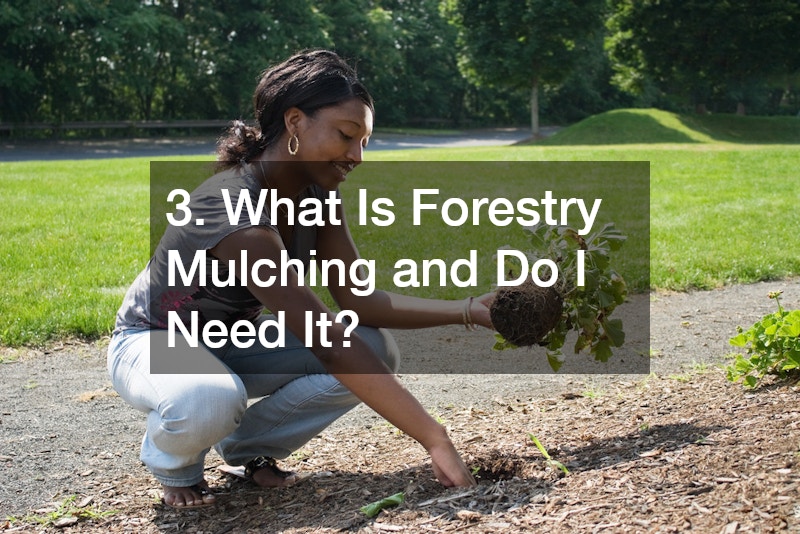
Forestry mulching is a land-clearing method that grinds vegetation into mulch, leaving behind a more stable and nutrient-rich surface. It’s often used when overgrowth needs to be removed without disturbing the soil structure too aggressively. Many home renovation questions come up when homeowners first encounter this method because it’s less familiar than traditional clearing.
This approach can be especially useful before installing fencing or planning a patio area. By clearing dense brush efficiently, forestry mulching creates usable space without the need for hauling debris off-site. It also supports erosion control by leaving organic material behind to help stabilize the soil.
Choosing Forestry Mulching Services
Selecting the right forestry mulching services involves more than just equipment availability. Experience with terrain, soil conditions, and post-clearing usability all matter. Some providers focus strictly on clearing, while others prepare land for immediate landscaping or construction use.
This distinction becomes important when coordinating with landscapers or planning features like asphalt milling for pathways or access routes. If the land isn’t properly prepped, later phases can become uneven or require rework.
4. Why Invest in Topsoil Delivery?
Improving Soil Quality
Topsoil delivery plays a foundational role in backyard renovation, especially when existing soil is compacted, uneven, or nutrient-deficient. Quality topsoil improves drainage, supports plant health, and creates a stable base for everything from gardens to structural landscaping features.
Home renovation questions often begin to intensify here because soil quality directly affects long-term results. If the ground isn’t properly prepared, even well-designed features like patios or fencing can shift over time. Adding fresh topsoil helps reset the conditions for a more predictable outcome.
This step also supports erosion control efforts by improving water absorption and reducing runoff. When combined with forestry mulching residue, it can create a balanced surface that holds structure while still supporting vegetation growth.
Landscapers frequently rely on topsoil delivery as part of broader grading plans. It ensures consistency across the yard, especially in areas where elevation changes are being corrected.
Source and Availability
Where your topsoil comes from matters more than most homeowners expect. Local sourcing can reduce delays and improve compatibility with regional soil conditions. This is another point where home renovation questions tend to surface, especially around quality and consistency.
Bulk delivery is often more efficient for larger projects, particularly when combined with landscaping work like patio installation or fencing layout adjustments. Smaller projects may only require targeted delivery to specific zones.
5. How Can I Control Erosion in My Backyard?
Erosion Control Techniques
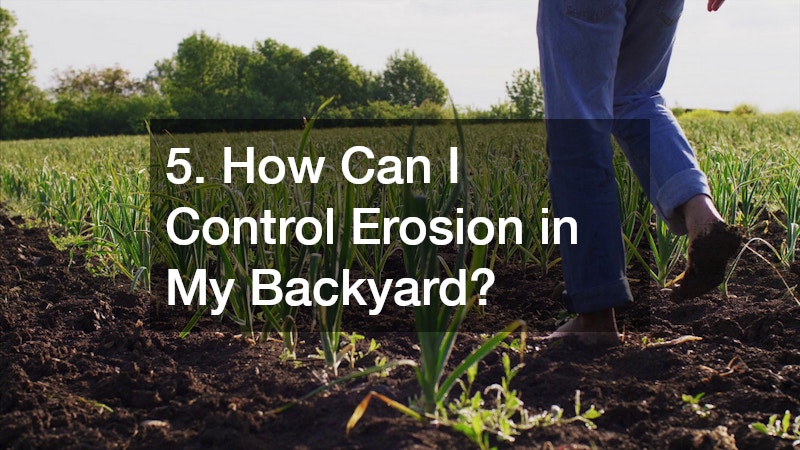
Erosion control becomes a major priority when your backyard has slopes, loose soil, or areas where water tends to pool and run off. Without a plan, even well-designed spaces can shift over time, affecting everything from planting beds to structural features like a patio. This is one of those home renovation questions that usually doesn’t feel urgent until you notice soil movement after heavy rain.
Vegetation is one of the simplest stabilizers, especially when paired with proper grading and topsoil delivery. Deep-rooted plants help anchor soil, while ground cover reduces surface runoff. In more developed layouts, erosion control can also involve retaining features, drainage adjustments, and carefully planned water flow paths designed by landscapers.
In larger projects, forestry mulching is often used early in the process to clear overgrowth while leaving organic material behind. That layer can help reduce immediate erosion risk while the rest of the design is being implemented. When combined with forestry mulching services, it becomes a practical first step in stabilizing the site before construction or installation begins.
When To Seek Professional Help
There’s a point where erosion issues go beyond DIY fixes and require professional input. If soil loss is noticeable, drainage is inconsistent, or previous landscaping efforts haven’t held up, it’s time to bring in experienced landscapers. This is where home renovation questions shift from design-focused to problem-solving focused.
Professionals can evaluate grading patterns, recommend structural adjustments, and coordinate with other services like tree services or asphalt milling if existing hard surfaces are contributing to runoff problems. In some cases, removing or reshaping trees can significantly change how water moves through the property.
Erosion control plans often intersect with fencing placement as well. A poorly positioned fence can unintentionally redirect water flow, making certain areas more vulnerable. Coordinated planning ensures that every element supports stability rather than working against it.
At this stage, home renovation questions tend to focus on long-term durability—how to prevent recurring issues rather than just fixing current ones. That mindset shift usually leads to more cohesive and resilient backyard designs.
6. What Are The Best Materials For A Patio?
Comparing Different Patio Materials
Choosing materials for a patio is about balancing appearance, durability, and maintenance. Concrete offers a clean, modern base, while natural stone brings texture and variation. Local pavers remain a popular choice because they offer flexibility in design and are easier to repair individually if damage occurs.
Patios often become the centerpiece of backyard renovation, which is why home renovation questions frequently cluster around this feature. Homeowners want to know how materials will age, how they handle seasonal changes, and how they interact with surrounding landscaping elements like fencing or planting beds.
Cost Considerations
Budgeting for a patio involves more than just material cost. Labor, site preparation, and long-term maintenance all factor into the total investment. This is another area where home renovation questions tend to expand quickly once homeowners see how many variables are involved.
Concrete may have a lower upfront cost, while natural stone or local pavers can require more detailed installation work. The tradeoff often comes down to aesthetics versus maintenance expectations. If the surrounding yard requires grading or erosion control adjustments, those costs should also be included early in planning.
Additional services like tree services or asphalt milling may be necessary depending on existing conditions. For example, old pathways or root systems can affect how the patio foundation is laid out.
A well-planned patio integrates with the rest of the yard rather than sitting as an isolated feature. That’s why cost discussions often evolve into broader home renovation questions about the entire backyard layout rather than a single structure.
7. How To Choose Local Pavers For My Patio?

Benefits Of Local Pavers
Local pavers are often chosen for their availability, consistency with regional aesthetics, and ease of replacement if repairs are needed. They also tend to blend naturally with surrounding landscapes, especially when paired with materials used by nearby landscapers.
Home renovation questions often arise when homeowners compare local pavers to imported stone or poured concrete. While all options have their strengths, local sourcing can simplify logistics and reduce delays during installation.
Installation Services
Proper installation is what determines whether pavers last for years or shift after a single season. Experienced landscapers focus heavily on base preparation, compaction, and drainage planning before any pavers are laid.
This is where home renovation questions often become more technical. Homeowners start asking about slope, water flow, and how pavers interact with surrounding features like patios, gardens, or fencing lines.
8. What Is Asphalt Milling And How Does It Apply To My Backyard?
Understanding Asphalt Milling
Asphalt milling is the process of removing a portion of an existing asphalt surface to create a smoother base for new installation or redesign. In backyard settings, it’s often used for pathways, driveways, or transitional areas connecting different parts of the landscape.
This step frequently comes up in home renovation questions when homeowners are trying to integrate hard surfaces into natural yard designs. Milling allows for adjustments without completely rebuilding the surface, making it a practical option for partial upgrades.
When To Hire Tree Services
Tree services become relevant when existing vegetation interferes with layout planning or safety. Overgrown roots, unstable trees, or dense canopy coverage can all impact how asphalt milling and other surface work is completed.
Home renovation questions often surface here around whether to remove, trim, or preserve trees. The answer usually depends on long-term yard goals and how each tree affects drainage, shading, and structural planning.
Tree removal or trimming may also be necessary before installing fencing or expanding patio areas. In some cases, it directly influences how erosion control strategies are designed, especially if tree coverage has been masking underlying soil issues.
When combined with broader services like forestry mulching services, topsoil delivery, and landscapers working in sequence, tree services help clear the way for a more functional and balanced backyard layout.
A backyard renovation isn’t just a visual upgrade—it’s a layered planning process where every decision affects the next. From fencing placement to patio materials, and from soil preparation to drainage control, each choice builds on the one before it. That’s why home renovation questions naturally increase as you move deeper into planning, because the project quickly becomes more interconnected than it first appears.
Services like landscapers, forestry mulching, and erosion control aren’t isolated tasks—they form the foundation of a stable, long-lasting outdoor space. Even something as simple as topsoil delivery or selecting local pavers can influence how well the entire yard performs over time. When these elements are coordinated properly, the result is a space that feels intentional rather than assembled in pieces.