Owning real estate brings a profound sense of pride and stability, but the financial obligations extend beyond the initial down payment and the monthly mortgage check. Sudden, massive maintenance bills induce stress and anxiety, threatening to derail years of careful personal finance management. Homes function as complex mechanical and structural systems subject to constant wear and tear. Roofs weather, pipes age, and mechanical units degrade. Smart property management requires separating predictable capital expenditures from unforeseen structural disasters. Setting aside cash for large projects ensures continuous stability. A comprehensive strategy involves assessing the lifespan of major home components and building a financial safety net to catch the inevitable expenses. Homeowners must adopt a proactive mindset. By treating maintenance as a fixed monthly expense rather than a surprise event, you protect your net worth. This guide provides a detailed roadmap to managing high-cost homeownership challenges. Avoiding financial shocks requires a precise blend of proactive saving, preventative maintenance, and strategic foresight. Implementing the following steps guarantees you maintain control over your budget, regardless of what structural or mechanical failures occur. You will learn to anticipate breakdowns, fund replacements over time, and protect your peace of mind against the harsh realities of property depreciation. To achieve this financial stability, homeowners must focus on three core pillars:
-
Anticipating the exact lifespan of crucial infrastructure components to guide savings goals.
-
Funding dedicated savings accounts to eliminate reliance on consumer credit cards.
-
Scheduling preventative checkups to delay massive, inevitable capital expenditures.
Prioritize Seasonal Systems and Maintenance

Climate control systems endure continuous, heavy load during extreme weather events. The mechanical strain on heating and cooling units accelerates depreciation, making them prime candidates for sudden, expensive failures. To prevent a catastrophic breakdown during the hottest week of the year, property owners must allocate funds for routine checkups. Homeowners should set aside a predictable monthly budget for preventative ac repair to catch minor electrical issues before the condenser unit fails. Catching a faulty run capacitor or a minor refrigerant leak early saves thousands in complete replacement costs. A proactive approach to mechanical health involves clear, repeatable steps. First, change filters every thirty days to ensure unimpeded airflow throughout the ductwork. Restricted airflow forces the blower motor to work harder, increasing energy consumption and accelerating component wear. Next, keep the exterior unit clear of yard debris, falling leaves, and overgrown shrubs. Adequate physical clearance guarantees optimal heat exchange. Schedule bi-annual visits from certified technicians to clean the delicate evaporator coils and measure chemical refrigerant levels. These small, planned expenditures protect the larger financial investment.
Optimizing the thermal envelope of the house reduces the mechanical burden on these climate systems. A well-sealed home retains conditioned air longer, minimizing the overall runtime of your heating and cooling equipment. Upgrading your attic insulation presents one of the most effective methods to cut long-term utility costs and ease the workload on your mechanical infrastructure. Proper thermal barriers prevent heat transfer, keeping the interior living space comfortable without forcing the system into overdrive. By reducing thermal energy loss, you lower your monthly utility bills. You can then redirect those exact savings straight into a dedicated home maintenance fund, accelerating your financial readiness for future projects. Consider the following structural improvements to improve energy efficiency across the property:
-
Seal structural bypasses around plumbing stacks and electrical wires in the attic space.
-
Install fresh weather stripping around all operable windows to block outside drafts.
-
Apply rigid spray foam to rim joists in the basement to stop air infiltration.
Map Underground Timelines and Inspections
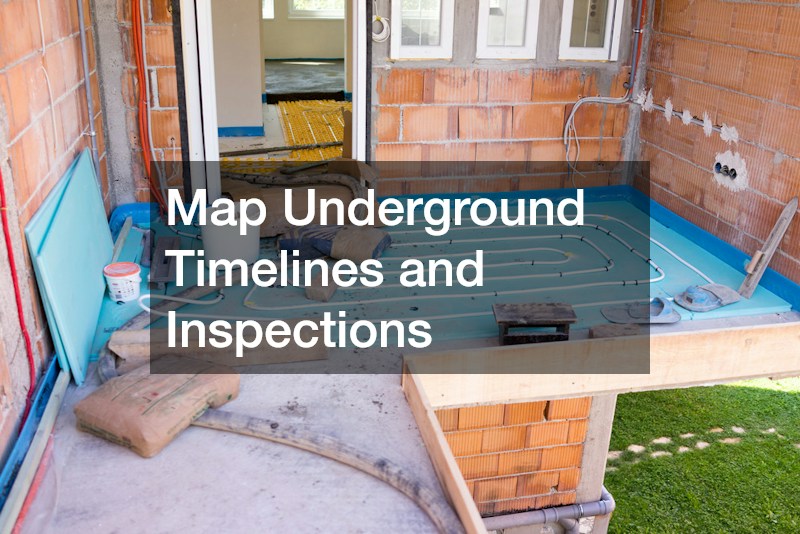
Subterranean infrastructure represents one of the most unpredictable and expensive areas of holistic home maintenance. Because pipes and waste lines remain buried beneath soil and heavy concrete, material deterioration occurs out of sight. A collapsed underground drain pipe brings devastating consequences, including raw waste backing up into the lower levels of a residential property. To mitigate this specific risk, property owners must secure preventative sewer service inspections using specialized camera technology to detect tree root intrusions and micro-fractures early. Identifying a compromised pipe segment allows for targeted, localized fixes rather than full-scale yard excavation and replacement. To maintain subterranean health, implement these rigid inspection protocols:
-
Request deep video inspections of the main lateral line every five years.
-
Monitor for slow drains across multiple plumbing fixtures, which indicates a main line restriction.
-
Avoid planting deep-rooted trees near the known physical path of underground pipes.
Managing off-grid waste infrastructure requires an even stricter adherence to maintenance schedules. Properties without municipal water connections rely on self-contained systems to process household wastewater. Neglecting this delicate infrastructure guarantees a catastrophic failure of the drain field. The resulting environmental hazard mandates a complete, expensive overhaul of the waste management system. You must proactively schedule and fund regular septic tank pumping every three to five years to prevent thousands of dollars in property damage. Removing accumulated solid matter prevents sludge from migrating into the delicate drainage trenches. The exact chronological timeline depends on the physical size of the holding tank and the precise number of occupants residing in the household. Larger families generate far more wastewater, accelerating the dangerous accumulation of solids. Keep detailed written logs of all maintenance visits and stick to a rigid calendar. Budgeting for these cyclical appointments transforms an impending disaster into a routine, manageable chore. Establishing a firm relationship with local pumping providers guarantees you stay on track. This consistent pumping schedule protects your lush landscaping from ruin and guards your bank account against shock. A well-maintained underground system operates flawlessly for decades, protecting the property value and preventing financial turmoil.
Create Deep Schedules and Budgets

Establishing a dedicated sinking fund designed specifically for environmental and plumbing health keeps your personal finances intact. A sinking fund operates as a strategic savings account where you deposit a fixed amount of cash each month to cover a known future expense. By allocating a set amount each paycheck, you ensure readiness when you need comprehensive septic cleaning to remove heavy, solidified sludge from the waste reservoir. The financial mechanics of a sinking fund require strict discipline and technological automation. Calculate the projected cost of the heavy extraction service and divide that figure by the number of months until the service is due. Automate the transfer of this exact dollar amount from your primary checking account into a separate, high-yield savings account. Segregating these specific funds prevents you from spending the money on discretionary retail purchases. Building this cash reserve provides absolute financial peace of mind. To maximize the overall effectiveness of your maintenance strategy, consider the following precise budgeting tactics:
-
Audit past maintenance receipts to calculate an accurate baseline for all future costs.
-
Add a ten percent buffer to your final savings goal to account for economic inflation.
-
Keep the money in a liquid account to ensure immediate access during a plumbing event.
Another effective method to structure your property budget involves transferring the financial risk to a third party. Homeowners can sign up for an ongoing, low-cost septic service contract to spread out the financial burden over the entire year. Moving a major unpredictable expense into the category of a predictable utility bill stabilizes your monthly cash flow. These professional agreements often include priority scheduling, routine physical inspections, and discounted labor rates. Predictability remains the cornerstone of sound personal finance. Evaluate the terms of any maintenance contract to ensure the inclusions align with your specific structural needs. Verify that the agreement covers emergency dispatches and check the response time guarantees. Structured financial planning eliminates the panic associated with homeownership, allowing you to enjoy the property without the looming threat of an unfunded breakdown.
Weigh Financial Upgrades and Replacements

Evaluating the structural integrity of your home requires analyzing exactly when a physical component has passed the point of economical repair. Entryways often suffer from hidden internal rot, exterior security vulnerabilities, and severe atmospheric energy leaks. Patching a failing threshold or replacing worn weather stripping provides only a temporary, insufficient fix. Over time, the cumulative cost of these minor repairs, combined with the ongoing thermal energy loss, outweighs the initial price of a complete replacement. Consulting with specialized custom door companies for a durable entryway replacement provides a cost-effective solution over a decade. Modern materials like extruded fiberglass and reinforced steel offer superior insulation, resistance to structural warping, and enhanced physical security. When deciding between a surface repair and a full replacement, consider the following crucial variables:
-
Calculate the exact monthly thermal energy loss attributed to drafty, aging entryways.
-
Assess the frequency of required maintenance on wooden exterior frames prone to moisture rot.
-
Determine the potential increase in total property value from elevated front curb appeal.
Making the correct financial decision involves looking at the ten-year total cost of ownership rather than just the upfront invoice. The same economic logic applies to large-scale waste management systems. Homeowners must learn to recognize the exact financial tipping point when a subterranean system fails beyond salvage. If the exterior drain field remains saturated and the concrete tank shows signs of structural cracking, minor interventions will fail. Pouring cash into synthetic chemical treatments or localized PVC pipe patching wastes valuable capital. Setting a long-term savings goal for full septic installations becomes a much better financial decision than repeatedly paying for temporary band-aid fixes. Plan for the eventual obsolescence of the waste system by reserving a strict portion of your net income every single year. Evaluate exterior soil conditions and local municipal regulations early to understand the exact physical scope of the future replacement. Strategic foresight prevents property owners from throwing good money after bad. Accept the natural lifecycle of major home components and structure your finances to accommodate full-scale upgrades when required.
Vet Specialized Contractors and Professionals
Securing reliable tradespeople long before a structural emergency occurs forms a critical part of home defense. When wastewater backs up into a finished basement or a pressurized pipe bursts in the middle of the night, homeowners lose all negotiating leverage. Desperation leads to accepting exorbitant surge pricing from the first available service provider. To avoid this specific financial trap, interview local professionals during the off-season to identify a reputable septic company to keep on your contact list. Establishing this professional relationship early grants you priority dispatch status and transparent, predictable pricing. Building a roster of vetted tradespeople requires methodical, unemotional investigation. Focus on the following strict criteria when evaluating contractors:
-
Demand physical proof of active commercial liability insurance and current municipal licensing.
-
Request detailed references from properties with similar subterranean infrastructure and soil types.
-
Review their standard fee structure for emergency, late-night, and weekend after-hours dispatches.
Having a reliable professional on speed dial represents only half of the comprehensive emergency preparedness equation. Keep a dedicated emergency credit line or a highly liquid cash reserve earmarked specifically for sudden, unavoidable septic repair work. Mechanical components like submerged effluent pumps and electrical float switches deteriorate rapidly and without any prior warning. When these crucial parts fail, the entire system ceases to function, creating a dangerous biological hazard on the property. Establishing a Home Equity Line of Credit while the property remains in good physical condition provides a low-interest safety net. Alternatively, a robust, dedicated savings account ensures you pay the bill in cash, avoiding bank interest charges altogether. The combination of a pre-vetted contractor and a fully funded emergency account transforms a potential financial catastrophe into a mere weekend inconvenience. Preparedness guarantees you retain total control over the repair process, dictating the financial terms rather than reacting in a state of sheer panic.
Proactive homeownership relies entirely on self-discipline, forward-thinking foresight, and a steadfast commitment to structured financial planning. Homes require a constant, predictable infusion of capital to maintain their structural integrity and operational efficiency over the decades. Ignoring the inevitable deterioration of physical components guarantees future financial distress and property degradation. By integrating rigorous maintenance schedules with aggressive savings strategies, you shield your net worth from catastrophic property failures. The mental peace of mind achieved through diligent planning far outweighs the temporary sacrifice of contributing to a monthly maintenance fund.
Take decisive action today to secure your personal financial future against unexpected structural disasters. Begin by auditing your property to identify aging mechanical systems and vulnerable exterior infrastructure. Open a dedicated savings account and automate a monthly transfer to build your cash reserve. Consistency and compound interest will gradually build a robust safety net. Accept the fundamental responsibilities of property management, anticipate the breakdown of complex mechanical systems, and dictate the terms of your home repairs from a position of absolute financial strength.