Exterior renovation projects often fail not because of poor materials or workmanship, but because improvements are planned in isolation. Structural upgrades, energy enhancements, and landscape changes are deeply interconnected, and decisions made in one area can either support or undermine the others. A truly effective exterior strategy considers how these systems interact over time, not just how they look when the project is finished.
When exterior improvements are approached as a unified effort, homeowners gain better performance, fewer repairs, and stronger long-term value. The following sections explore how to integrate structural stability, energy efficiency, and landscape planning into a cohesive exterior improvement strategy that reduces redundancy and maximizes durability.
Assessing the Exterior as a Unified System
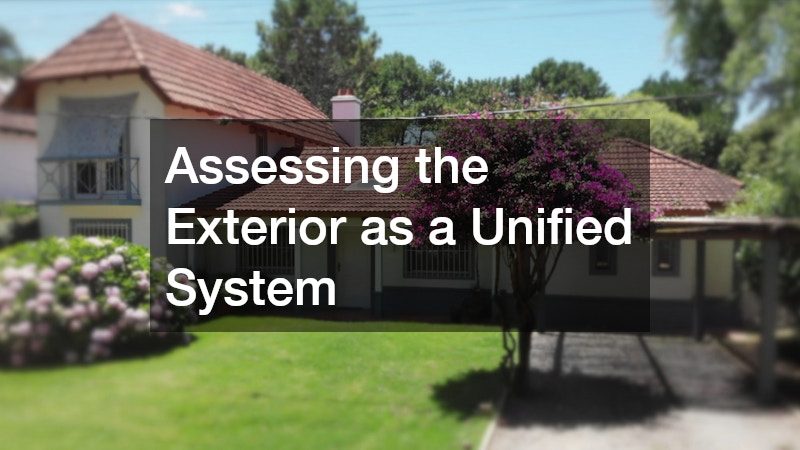
Before committing to major upgrades, homeowners benefit from understanding the current condition of the entire exterior. Many issues that appear cosmetic are rooted in deferred maintenance or incomplete repairs. Small cracks, discoloration, or uneven surfaces often signal deeper problems that, if ignored, can undermine even high-quality improvements. Addressing underlying concerns early prevents new investments from being compromised by existing weaknesses and reduces the likelihood of unexpected costs later in the project.
A comprehensive exterior assessment should evaluate:
- Signs of moisture intrusion, including staining, soft spots, or material degradation, may indicate leaks or poor drainage
- Surface cracking or settling that may point to foundation movement or inadequate base preparation
- Aging components that could interfere with planned upgrades, such as deteriorating trim, flashing, or sealants
- Areas where prior local home repairs may have been performed inconsistently, creating weak points or incompatibilities
Looking at these factors together provides insight into how the exterior has aged as a system rather than as isolated elements. For example, moisture damage on siding may originate from roof runoff, clogged drainage, or ground slope rather than the siding material itself. Similarly, recurring cracks may reflect soil movement that needs to be addressed before new surfaces are installed.
Rather than reacting to visible damage alone, a system-level assessment looks at how water flows across the property, how loads are transferred through structural elements, and how different materials interact at their connection points. This broader perspective helps homeowners identify opportunities to combine repairs and upgrades efficiently, reducing both labor duplication and long-term risk while ensuring that improvements are built on a stable, well-understood foundation.
Prioritizing Structural Envelope Improvements
The building envelope is the first line of defense against environmental exposure, and its performance depends on how well individual components work together. Roofs and exterior walls must manage moisture, temperature, and air movement as a unified system. Gaps in coordination often allow water intrusion, heat loss, or air leakage that compromise both comfort and durability over time.
When planning upgrades, sequencing matters because work completed out of order can create conflicts or force rework. Engaging a roofer early allows for a thorough evaluation of penetrations, flashing details, and drainage patterns that directly affect wall assemblies below. Roof edges, valleys, and downspouts all influence how water is shed away from the structure. Similarly, siding installation decisions should account for roof runoff patterns, prevailing wind exposure, and insulation strategies to ensure that wall systems perform as intended under real-world conditions.
Key planning considerations include:
- Aligning roof replacement timelines with wall upgrades so that new materials are not installed against failing components
- Ensuring flashing and weather barriers integrate seamlessly at all transitions, including eaves, corners, and penetrations
- Avoiding new wall finishes that depend on an aging roof, which can lead to moisture damage and shortened material lifespan
- Confirming insulation continuity across structural boundaries to prevent thermal bridging and uneven interior temperatures
Treating the roof and walls as a continuous system improves energy efficiency by reducing air leakage and thermal loss. It also prevents premature material failure caused by trapped moisture, inconsistent drainage, or thermal stress. When these elements are planned together, the exterior envelope performs more predictably and requires less corrective maintenance over time.
Addressing Foundations and Load-Bearing Features
Exterior improvements often add weight or alter load distribution, making foundational stability critical to long-term success. Patios, retaining walls, steps, and structural facades place continuous stress on the ground beneath them, and even small miscalculations can lead to visible damage over time. Without proper preparation, surfaces that appear solid at completion may begin to crack, shift, or separate as soil conditions change.
A qualified concrete contractor evaluates soil composition, compaction levels, drainage patterns, and load requirements before new slabs or footings are poured. This assessment helps determine whether additional reinforcement, deeper footings, or improved drainage solutions are needed. Similarly, a masonry contractor ensures that stone or brick elements are supported correctly, with appropriate foundations and joints that allow materials to expand, contract, and settle without failure.
To protect long-term performance:
- Verify soil compaction and drainage before installation to reduce movement and water-related erosion
- Avoid tying new rigid materials to unstable structures, which can transfer stress and accelerate cracking
- Allow for expansion joints where temperature variation is significant, preventing pressure buildup within the structure
- Coordinate structural work before surface finishes are applied so that adjustments do not damage completed materials
Ignoring foundational readiness can result in cracking, uneven settling, and misalignment that undermine both appearance and safety. Addressing these concerns early ensures that exterior improvements remain stable, functional, and visually consistent over time.
Integrating Energy Systems Into Exterior Design

Energy upgrades are most effective when planned alongside structural and aesthetic changes rather than added after major work is complete. Roof orientation, shading patterns, and surface materials all influence performance, making early coordination essential. Decisions made during structural upgrades can either enhance energy output or limit its effectiveness for years to come.
When considering solar installation, homeowners should assess:
- Roof age and structural capacity to ensure it can support equipment without premature replacement
- Shading from trees or neighboring structures may reduce efficiency during peak daylight hours
- Access for future maintenance so panels and related components can be serviced without disrupting other exterior features
- Visual integration with existing exterior features to maintain a cohesive appearance
Evaluating these factors together allows homeowners to determine whether adjustments to roof layout, material selection, or landscaping are needed before installation. For example, addressing shading or reinforcing roof structures during earlier phases can eliminate costly modifications later.
Energy systems should never feel like an afterthought. Planning pathways for wiring, penetrations, and mounting hardware during exterior upgrades reduces visual clutter and avoids unnecessary disruption once finishes are complete. Thoughtful integration ensures efficiency gains without sacrificing durability or curb appeal, allowing energy improvements to enhance the exterior rather than compete with it.
Managing Vegetation Impacts on Structures and Surfaces
Strategic tree removal is sometimes necessary to protect long-term investments. Expanding root systems can undermine hardscapes and foundations, causing lifting or cracking, while overhanging branches increase debris accumulation on roofs and in gutters. Excess moisture retention from shade and falling leaves can accelerate material deterioration and encourage mold or rot in vulnerable areas.
Planning considerations include:
- Evaluating root zones near foundations and slabs to prevent future shifting or cracking
- Managing canopy coverage over roofs and walls to balance shade benefits with moisture control
- Coordinating vegetation changes before surface installation to avoid damage to new materials
- Preserving desirable trees through selective pruning rather than full removal when feasible
Addressing vegetation proactively allows homeowners to control growth patterns instead of reacting to damage after it occurs. Thoughtful planning reduces ongoing maintenance demands and helps protect both structural and energy-related improvements, ensuring that landscaping supports exterior performance rather than undermines it.
Designing Durable Outdoor Surfaces and Drainage
Outdoor surfaces must withstand constant exposure to weather, foot traffic, and shifting soil, making durability a function of both material choice and installation quality. Even premium materials can fail prematurely if underlying conditions are not addressed. Preparation and drainage determine how well surfaces respond to water movement, temperature changes, and daily use over time.
Effective hardscaping services account for:
- Proper grading to direct water away from structures, reducing the risk of erosion and moisture intrusion
- Base preparation that resists settlement by providing stable, compacted support beneath finished surfaces
- Material selection suited to climate conditions, ensuring resistance to freeze-thaw cycles, heat expansion, or heavy rainfall
- Seamless transitions between surfaces and structures that accommodate movement without cracking or separation
Planning drainage before installation prevents pooling, erosion, and freeze-thaw damage that can undermine both appearance and function. Well-designed hardscapes support safe circulation while protecting adjacent structural elements from unnecessary stress. When surfaces are engineered to manage water and movement effectively, maintenance demands decrease, and performance remains consistent over time.
Coordinating Access Points and Functional Openings
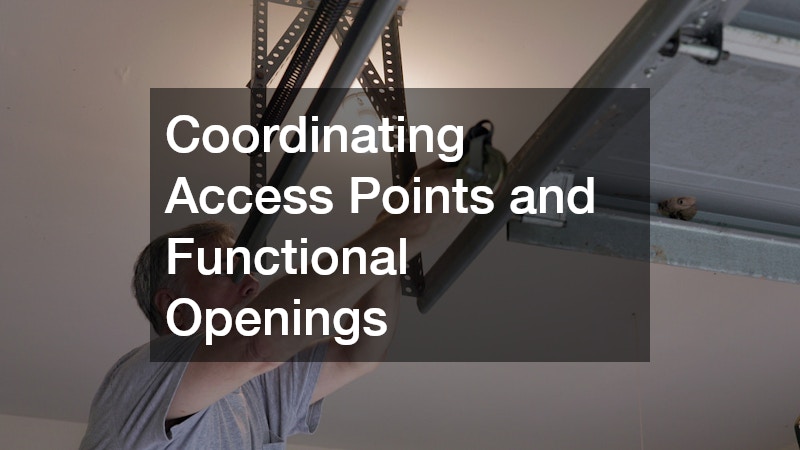
Functional openings are often overlooked during exterior planning, yet they play a significant role in both performance and usability. Garage doors, for example, are large moving components that directly affect thermal efficiency, security, and daily convenience. When they are treated as isolated elements, mismatches can occur between structure, insulation, and surrounding finishes.
When evaluating garage door repair or replacement within a larger project, homeowners should consider:
- Structural alignment and framing conditions to ensure smooth operation and prevent premature wear
- Weather sealing and insulation performance, which influence interior temperature stability and energy efficiency
- Clearance and operational safety, particularly when changes to driveways, walls, or ceilings are planned
- Integration with surrounding finishes so materials and proportions remain visually consistent
Addressing these factors together helps prevent common issues such as air leakage, binding doors, or damage to adjacent surfaces. Coordinating functional openings with broader exterior upgrades ensures that mechanical performance supports aesthetic goals rather than undermining them, resulting in solutions that enhance both form and function over the long term.
Managing Project Oversight and Trade Coordination
Complex exterior projects involve multiple trades working across overlapping timelines, each with different priorities and technical requirements. Without clear oversight, miscommunication can lead to damaged finishes, scheduling conflicts, and inconsistent results that are costly to correct. Even well-executed individual tasks can fail to align if no one is managing how they fit together.
General contractors play a central role in maintaining cohesion by serving as the single point of accountability for the entire project. Rather than reacting to problems as they arise, they proactively coordinate tasks so that progress remains steady and predictable.
Their responsibilities typically include:
- Establishing clear scopes and responsibilities so each trade understands its role, boundaries, and dependencies
- Sequencing work to minimize exposure and rework, ensuring that vulnerable surfaces are protected and tasks occur in the proper order
- Coordinating inspections and approvals to prevent stalled progress or last-minute corrections
- Maintaining consistent quality standards across all phases, regardless of which trade is on-site
Strong oversight also improves communication by centralizing updates, decisions, and documentation. This reduces assumptions between trades and allows issues to be addressed before they escalate. When each phase is guided by a cohesive plan, the project moves forward efficiently, and completed work is protected rather than compromised, supporting long-term performance and durability.
Budgeting Strategically Across Interconnected Systems

Large exterior projects benefit from holistic budgeting that recognizes shared labor, preparation, and access requirements across multiple upgrades. When improvements are planned together, homeowners can often reduce total cost compared to addressing them separately over time. Coordinated budgeting also provides clearer insight into how one investment supports or protects another.
Strategic budgeting includes:
- Identifying tasks that can be combined efficiently, such as shared site preparation or access scaffolding
- Avoiding duplicate demolition or setup costs by sequencing work logically from the start
- Allocating contingencies for system interactions, acknowledging that changes in one area may affect another
- Prioritizing improvements with multiple benefits, such as upgrades that improve durability, efficiency, and appearance simultaneously
This approach allows homeowners to make informed trade-offs rather than reacting to unexpected expenses mid-project. A system-based budget supports smarter decision-making by highlighting long-term value instead of isolated price points. It also helps prevent short-term savings from creating long-term expenses, ensuring that investments remain effective and sustainable over time.
Planning for Long-Term Performance and Maintenance
The true measure of a successful exterior renovation is how well it performs years after completion. Design decisions should account for access, durability, and future adaptability.
Long-term planning strategies include:
- Selecting materials with predictable aging characteristics
- Designing access points for inspection and repair
- Documenting system layouts for future reference
- Preserving flexibility for evolving needs
By considering maintenance during design, homeowners protect their investment and reduce the likelihood of disruptive repairs.
Integrating structural, energy, and landscape improvements transforms exterior renovations from isolated projects into a cohesive strategy. When planning accounts for how systems interact over time, homeowners gain durability, efficiency, and lasting value. A unified approach not only improves immediate outcomes but also ensures that exterior investments continue to perform reliably well into the future.