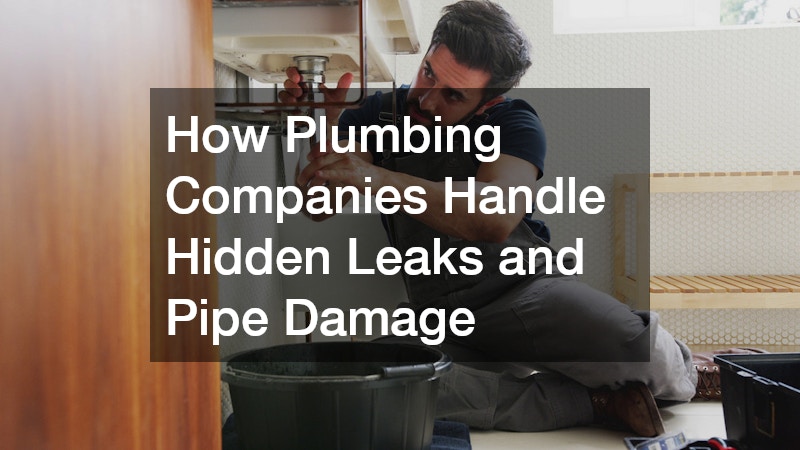
Owning a home comes with a long list of responsibilities that many people do not fully understand until they face their first major repair bill. A small leak under the sink can eventually damage flooring and drywall. A clogged gutter can quietly create roof issues over time. Heating systems, plumbing, and electrical components all wear down gradually, often without obvious warning signs.
The good news is that many expensive home repairs are preventable. Consistent maintenance allows homeowners to catch problems early, improve energy efficiency, and extend the lifespan of critical systems throughout the house. Preventive care also reduces stress during extreme weather, seasonal changes, and unexpected emergencies.
Instead of reacting to breakdowns after they happen, homeowners who stay proactive often spend less money in the long run. A few hours of seasonal inspections and routine upkeep can prevent thousands of dollars in future damage.
Monitoring Plumbing Systems Before Problems Escalate
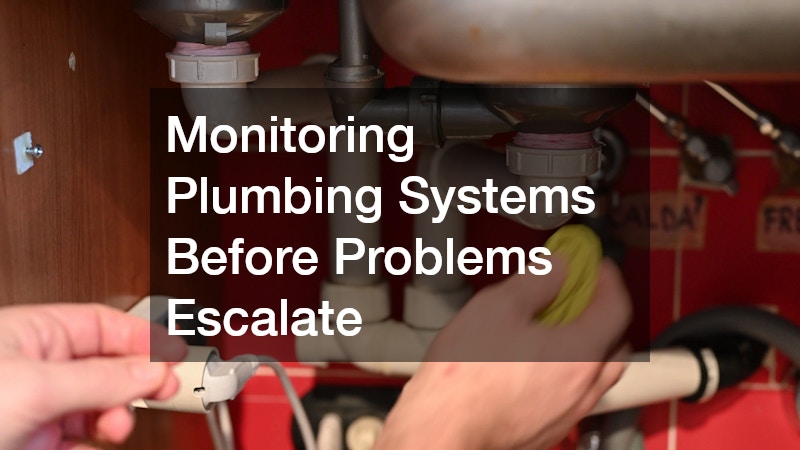
Water-related issues rarely begin dramatically. More often, they start with subtle signs that homeowners overlook for months. A faint musty smell in the laundry room, bubbling paint near a window, or a slightly higher water bill can all point to moisture problems developing behind walls or beneath flooring.
One of the most common mistakes homeowners make is waiting until visible damage appears before taking action. By that point, the issue may already require extensive water damage repair that affects drywall, insulation, cabinetry, or flooring materials.
A useful habit is walking through the home once a month specifically looking for moisture-related warning signs. During these inspections, pay close attention to:
- Water stains on ceilings
- Soft or warped flooring near sinks
- Mold growth around baseboards
- Dripping sounds behind walls
- Condensation around pipes
- Persistent damp smells
Bathrooms and kitchens deserve extra attention because they experience constant moisture exposure. Even tiny plumbing leaks can gradually weaken materials over time.
Drain systems also need regular attention, particularly in older homes. Slow-moving sinks and tubs are often early indicators of buildup inside pipes. Scheduling periodic drain cleaning helps prevent severe blockages that could eventually lead to pipe backups or flooding.
Many homeowners unknowingly contribute to drainage problems by pouring grease down kitchen sinks or flushing wipes labeled “flushable.” Over time, these materials accumulate and restrict water flow. Preventive habits matter just as much as professional maintenance.
Simple routines can significantly reduce risk:
- Use drain strainers in showers and sinks.
- Avoid rinsing oils and grease into plumbing systems.
- Flush drains occasionally with hot water.
- Address slow drainage immediately instead of postponing repairs.
Plumbing problems become more expensive the longer they remain hidden. Consistent observation is often the difference between a manageable repair and a major restoration project.
Maintaining Efficient Heating and Airflow Throughout the Home
Many homeowners become accustomed to subtle declines in home comfort without realizing their systems are struggling. Rooms that feel slightly warmer than others, inconsistent hot water, or rising energy bills often signal underlying efficiency issues.
Water heaters are a good example. These systems work constantly, yet many homeowners rarely think about them until they fail completely. Sediment naturally builds inside the tank over time, especially in areas with hard water. This buildup forces the system to work harder while reducing efficiency.
Several warning signs suggest a homeowner should begin planning for water heater replacement:
- Rust-colored hot water
- Rumbling or popping sounds from the tank
- Inconsistent water temperatures
- Water pooling around the unit
- Reduced hot water supply
Routine flushing can help extend the life of a water heater, but aging systems eventually lose efficiency regardless of maintenance. Replacing an outdated unit before it fails can prevent sudden leaks and emergency installation costs.
Air circulation also plays a major role in home efficiency. Dust, debris, pet dander, and allergens gradually accumulate inside duct systems, restricting airflow and forcing HVAC equipment to work harder.
In some homes, the difference after professional air duct cleaning is immediately noticeable. Rooms cool more evenly, airflow improves, and indoor dust levels often decrease substantially.
One homeowner might assume their aging HVAC system needs replacement when the real issue is restricted airflow caused by years of buildup inside the ducts. Preventive maintenance helps identify these problems before homeowners spend money unnecessarily.
It is also important to pay attention to filter replacement schedules. Dirty filters reduce airflow and increase strain on heating and cooling equipment. While many manufacturers recommend replacing filters every one to three months, homes with pets or allergies may require more frequent changes.
Comfort problems rarely fix themselves. Small inefficiencies compound gradually until utility bills climb or equipment fails under stress during extreme temperatures.
Improving Energy Efficiency Through Better Air Sealing
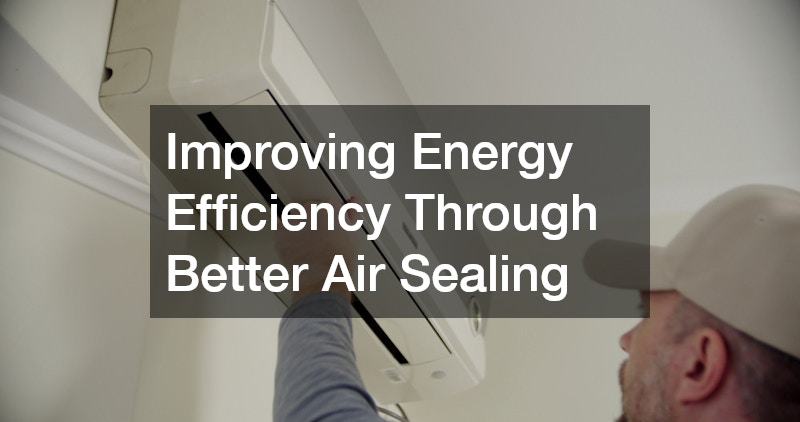
Drafts and uneven temperatures are more than simple annoyances. They are often indicators that conditioned air is escaping through leaks hidden throughout the home.
Many homeowners focus heavily on insulation while overlooking the importance of properly sealed ductwork. Even small leaks inside duct systems can waste significant energy, especially in larger homes.
An air duct repair and sealing service can improve HVAC performance by preventing air loss before heated or cooled air reaches living spaces. In homes with leaky ducts, certain rooms may remain uncomfortable no matter how low the thermostat is set.
Air leakage tends to occur around:
- Attic access points
- Windows and doors
- Recessed lighting fixtures
- Crawl spaces
- Duct joints and vents
One overlooked problem is pressure imbalance. If certain rooms feel stuffy while others remain drafty, the HVAC system may be distributing air unevenly due to hidden leaks or poor sealing.
Homeowners sometimes adapt to these inconsistencies without realizing how much energy they are wasting every month.
Humidity management is equally important. Excess moisture indoors creates conditions where mold and mildew thrive. Bathrooms, laundry rooms, and basements often struggle with poor ventilation, particularly in older homes.
Simple adjustments can make a major difference:
- Run bathroom exhaust fans during and after showers.
- Use dehumidifiers in damp basements.
- Keep attic ventilation unobstructed.
- Inspect weather stripping seasonally.
Energy efficiency is not only about lowering utility bills. It also protects the longevity of heating and cooling systems by reducing unnecessary strain.
Protecting Roofing and Exterior Surfaces From Weather Damage
Exterior maintenance often gets delayed because homeowners naturally focus on visible interior spaces first. Unfortunately, exterior problems are frequently the most expensive when ignored.
Roofing systems endure constant exposure to sun, rain, wind, and temperature changes. Over time, even durable roofing materials begin to deteriorate. A missing shingle may not seem urgent initially, but moisture can gradually penetrate beneath the roofing layers and damage underlying structures.
Homeowners should inspect their roofs seasonally, especially after major storms. Common warning signs include:
- Curling shingles
- Granules collecting in gutters
- Sagging roof sections
- Water stains in attic spaces
- Damaged flashing around chimneys
Prompt roof repair helps prevent much larger structural issues later. Waiting too long often allows water intrusion to spread into insulation, drywall, and framing materials.
Trees also play a surprisingly important role in exterior home protection. Overgrown branches hanging near the roof create multiple risks. During storms, heavy limbs can damage shingles, gutters, or siding. Leaves and debris also clog drainage systems, trapping moisture on roofing surfaces.
Routine tree care reduces these hazards significantly. Trimming branches away from the home improves airflow, minimizes storm damage risk, and reduces debris accumulation.
Tree roots deserve attention as well. In some properties, aggressive root systems gradually interfere with underground pipes, sidewalks, or foundations. Preventive maintenance involves observing tree growth patterns before problems become severe.
A homeowner who ignores overgrown landscaping for years may eventually face costly structural repairs that could have been avoided with regular trimming and inspections.
Exterior maintenance often feels less urgent because the damage develops slowly. However, the gradual nature of deterioration is exactly what makes prevention so valuable.
Keeping Private Water Systems Reliable Year-Round

Homes that rely on private wells require a different level of maintenance than properties connected to municipal water systems. Because the homeowner is responsible for the system’s operation, regular inspections become especially important.
Many well problems begin subtly. Water pressure may fluctuate occasionally, faucets may sputter briefly, or water quality may change slightly. These small inconsistencies often point to developing issues inside the well system.
In some situations, homeowners may eventually require well pump repair after ignoring early warning signs for too long. Pump systems naturally wear down over time, especially when maintenance is inconsistent.
Common symptoms of pump trouble include:
- Air bursts coming from faucets
- Unexpected spikes in electricity usage
- Low or inconsistent water pressure
- Dirty or cloudy water
- Frequent cycling on and off
Rather than waiting for complete system failure, homeowners should schedule periodic inspections to evaluate pressure tanks, electrical components, and filtration systems.
Water quality testing is another important preventive measure. Contaminants can enter groundwater sources through nearby construction, flooding, or natural environmental changes. Annual testing helps identify potential safety concerns before they affect household health.
Long-term water well maintenance also includes protecting exposed equipment from seasonal weather conditions. In colder climates, freezing temperatures can damage pipes and pressure tanks if systems are not properly insulated.
One practical strategy is creating a dedicated maintenance calendar specifically for the well system. Recording inspection dates, repairs, and water test results makes it easier to identify patterns or recurring issues over time.
Private water systems can remain reliable for decades when maintained consistently. Neglect, however, often leads to sudden outages and expensive emergency repairs that disrupt the entire household.
Preparing the Home for Severe Weather and Emergencies
Extreme weather events have become increasingly common in many regions, making emergency preparedness an essential part of responsible homeownership.
Power outages are particularly disruptive because modern homes depend heavily on electricity for heating, refrigeration, communication, and security systems. During extended outages, even basic daily routines become difficult.
For many homeowners, generator installation provides peace of mind during storms and emergency situations. Backup generators help maintain essential systems when utility service fails unexpectedly.
Preparation becomes especially important for households with:
- Medical equipment requiring electricity
- Sump pumps in flood-prone basements
- Refrigerated medications
- Well water systems
- Remote work setups
Emergency readiness also involves protecting electrical systems from power surges. Surge protectors can help shield appliances and electronics during storms or utility fluctuations.
Beyond electrical preparation, homeowners should maintain seasonal emergency supplies such as flashlights, batteries, bottled water, and basic repair materials.
A thoughtful maintenance routine changes throughout the year. Spring may focus on gutter inspections and landscaping cleanup, while winter preparation involves sealing drafts and protecting pipes from freezing temperatures.
Some homeowners find it helpful to divide maintenance tasks into seasonal categories:
Spring Priorities
- Inspect roofing and gutters
- Clean outdoor drainage systems
- Service cooling equipment
- Trim storm-damaged branches
Summer Priorities
- Monitor irrigation systems
- Check exterior paint and siding
- Inspect decks and patios
- Test outdoor electrical outlets
Fall Priorities
- Clean leaves from gutters
- Seal windows and doors
- Inspect attic insulation
- Prepare heating systems
Winter Priorities
- Protect exposed plumbing
- Monitor ice buildup
- Test backup power equipment
- Replace worn weather stripping
The goal is not perfection. No homeowner prevents every repair entirely. Preventive maintenance simply reduces the likelihood of severe problems while helping homeowners stay ahead of predictable wear and tear.
Building Long-Term Habits That Protect Your Investment

Home maintenance becomes much more manageable when viewed as an ongoing habit rather than a series of emergency reactions. Small, consistent actions often matter more than occasional large repair projects.
One of the most effective strategies is learning how the home normally functions. Familiarity helps homeowners recognize subtle changes quickly. A strange sound from the furnace, a sudden increase in humidity, or a slower drain becomes easier to notice when regular maintenance is already part of the routine.
It is also important to understand that every home ages differently. Climate, construction materials, landscaping, and occupancy patterns all influence how quickly systems wear down. Two homes built in the same year may require entirely different maintenance priorities.
Documentation helps tremendously over time. Keeping records of inspections, repairs, warranties, and seasonal tasks creates a clearer picture of the home’s condition. This information also becomes valuable during future renovations or property sales.
Preventive maintenance is ultimately about reducing uncertainty. While unexpected repairs can still happen, homeowners who stay proactive are far less likely to face catastrophic failures without warning.
A well-maintained home is typically safer, more comfortable, and more energy efficient. More importantly, it allows homeowners to spend less time reacting to emergencies and more time enjoying the place they live.