Septic tanks are a critical component of many homes, particularly in rural or suburban areas without access to municipal sewer systems. These underground tanks collect and treat wastewater from toilets, sinks, and other household drains. Over time, however, septic tanks can become clogged, leading to backups, unpleasant odors, and even property damage. Understanding the causes of clogs, how they are cleaned, and steps for prevention can help homeowners maintain a healthy septic system and avoid costly problems. Regular use of a professional septic cleaning service is essential to keeping these systems in good working order.
What Causes Septic Tanks to Clog?
One of the most frequent causes of septic tank clogs is the improper disposal of household items. Flushing wipes, feminine hygiene products, paper towels, and other non-biodegradable materials can quickly accumulate in the tank, obstructing flow and preventing proper breakdown of waste.
Additionally, pouring grease, cooking oil, or food scraps down drains can solidify and create blockages. Homeowners should be mindful of what goes down their plumbing to reduce the risk of costly clogs and frequent septic cleaning service needs.
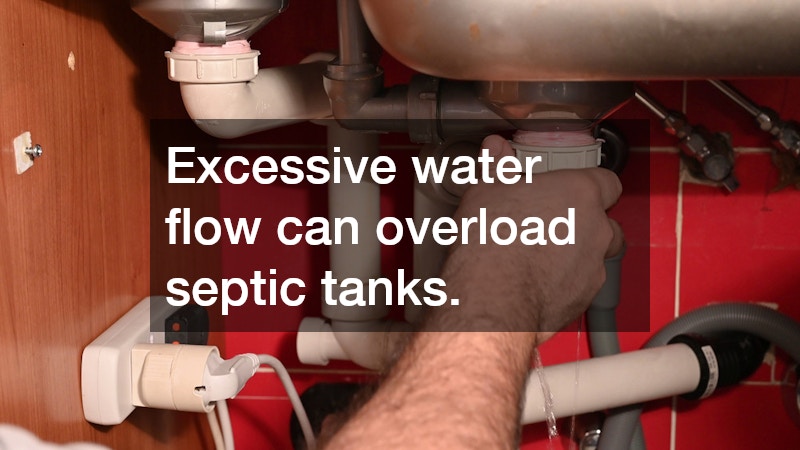
Another major factor contributing to septic clogs is system overload. Excessive water usage from multiple showers, laundry cycles, or dishwashing in a short period can strain the tank and its drain field. Overloading the system prevents solids from settling properly and increases the likelihood of backups. Tanks that are not pumped regularly are also more prone to clogs, as the accumulation of sludge and scum eventually exceeds the tank’s capacity. Scheduling routine maintenance with a septic cleaning service is key to preventing these problems.
Biological issues can also play a role in septic tank clogs. Tree roots that grow near the tank or drain field can infiltrate pipes, causing blockages or structural damage. Additionally, an imbalance in the tank’s natural bacterial environment can slow down the decomposition of waste, leading to buildup and clogs. Maintaining proper bacterial levels and avoiding harsh chemicals that disrupt the system can help prevent these biological complications.
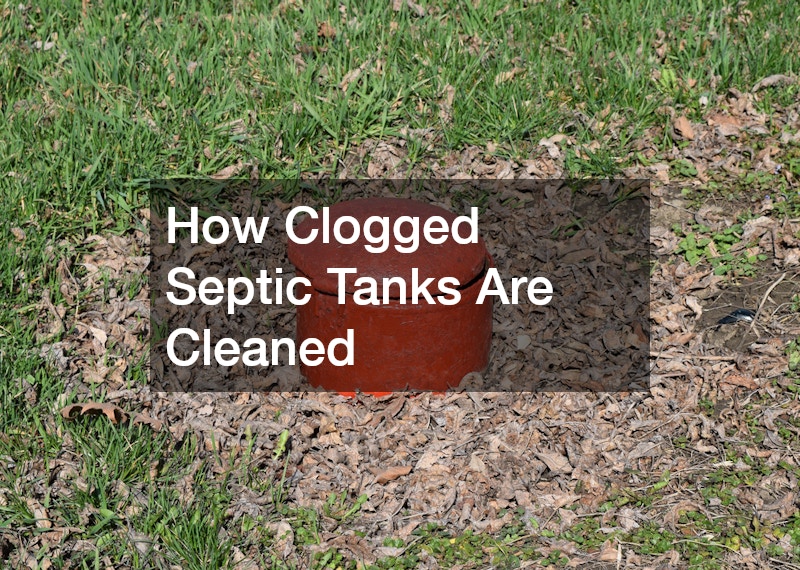
How Are Clogged Septic Tanks Typically Cleaned?
Pumping is the most common and straightforward method for cleaning a clogged septic tank. During this process, a professional removes accumulated sludge and scum from the tank using specialized vacuum trucks. Pumping is essential when solids build up to a level that prevents normal flow or causes backups. Regular pumping, usually every three to five years depending on usage, keeps the tank functioning properly and reduces the risk of severe clogs.
For blockages in the pipes leading to or from the tank, high-pressure water jetting or power flushing is often used. This method involves directing a powerful stream of water through the pipes to dislodge debris and flush it into the tank. Jetting is particularly effective for stubborn blockages caused by grease, sediment, or roots and is often performed as part of a professional septic cleaning service.
In some cases, septic systems can benefit from biological additives, such as bacteria or enzyme treatments. These additives help break down organic waste naturally, supporting the tank’s ecosystem and preventing solids from accumulating too quickly. While biological treatments are not a substitute for pumping, they can complement regular maintenance and reduce the frequency of severe clogs.
How Can Future Clogs Be Prevented?
The most effective way to prevent clogged septic tanks is through consistent maintenance. Homeowners should schedule regular inspections and pumping with a licensed septic cleaning service. During these visits, professionals assess the tank’s condition, remove excess sludge, and ensure the system is functioning properly. Staying on top of maintenance not only prevents clogs but also extends the lifespan of the septic system.
Being mindful of what enters the plumbing system is another key preventive measure. Avoid flushing non-biodegradable products, grease, and chemicals that can disrupt bacterial balance. Teaching household members proper disposal practices ensures the tank receives only waste it can handle efficiently.
Excessive water flow can overload septic tanks and contribute to clogs. Simple water-saving measures, such as spreading out laundry loads, fixing leaks promptly, and installing low-flow fixtures, can reduce the strain on the system. Conserving water not only helps prevent clogs but also supports the long-term health of the septic system.
Clogged septic tanks are a common but manageable problem for homeowners. By understanding the causes—ranging from household items and system overload to biological factors—residents can take proactive steps to avoid blockages. Professional cleaning methods, including pumping, jetting, and biological treatments, ensure that tanks function efficiently and safely. Most importantly, regular maintenance, proper waste disposal, and water conservation play a critical role in preventing future clogs. Utilizing a licensed septic cleaning service regularly keeps your system healthy, reduces the risk of costly repairs, and ensures that wastewater is safely managed. By staying informed and proactive, homeowners can enjoy the benefits of a well-functioning septic system for years to come.